
Quotes to install an oven and induction cooktop
Show 0 more photos Show 5 more photos Hide additional photos
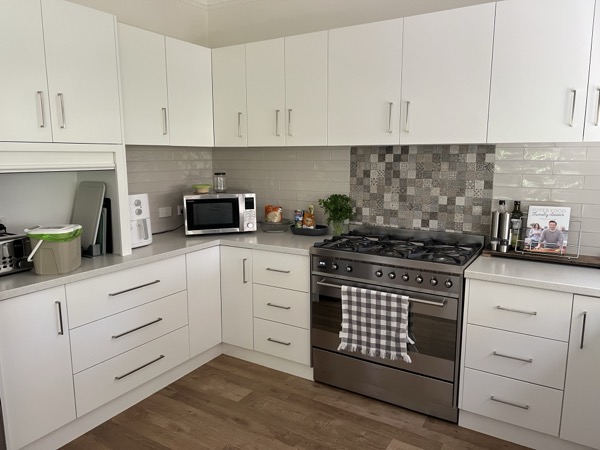
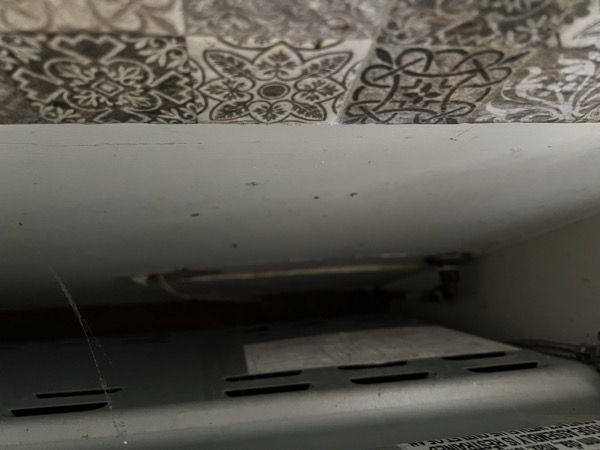
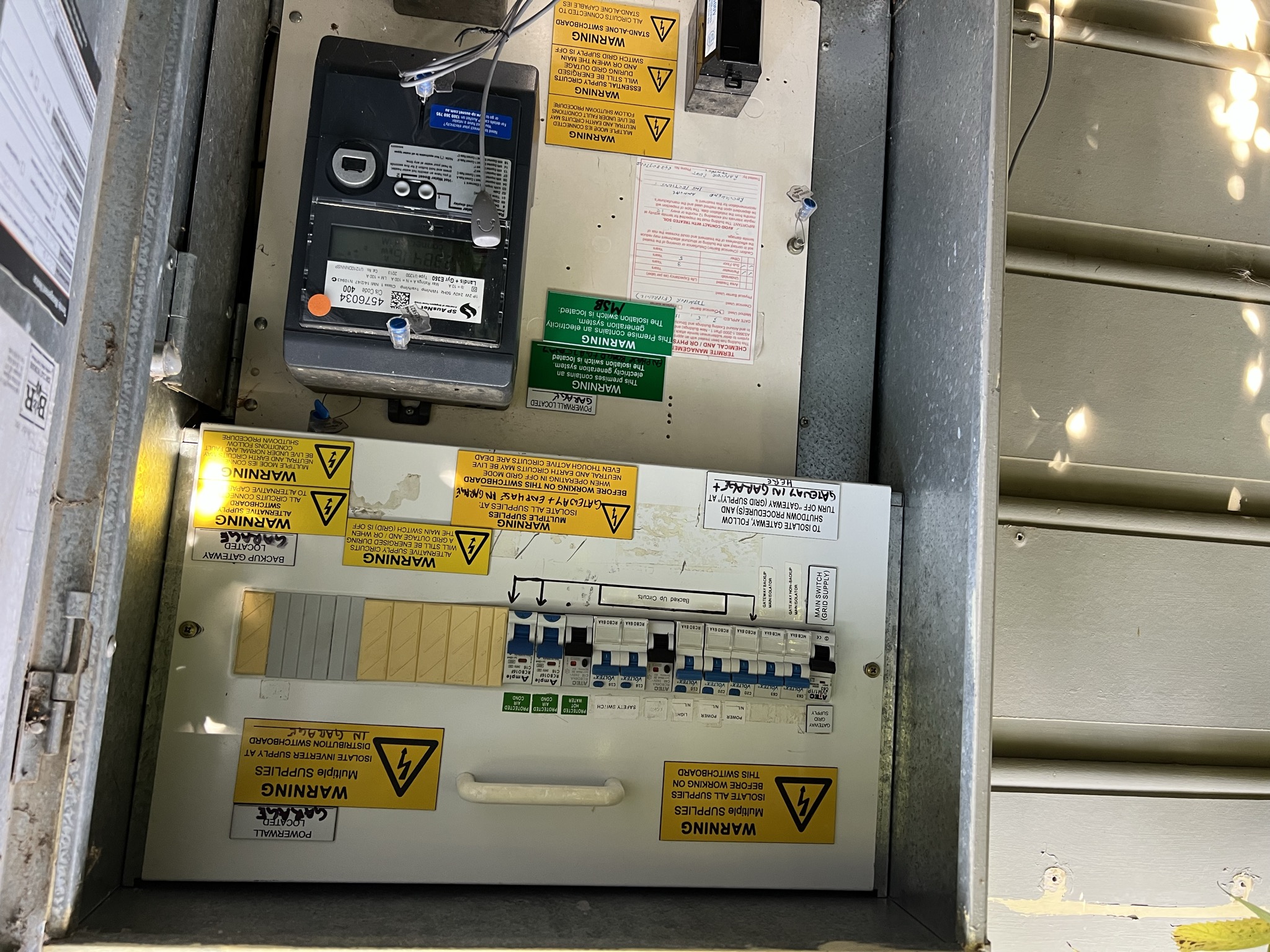
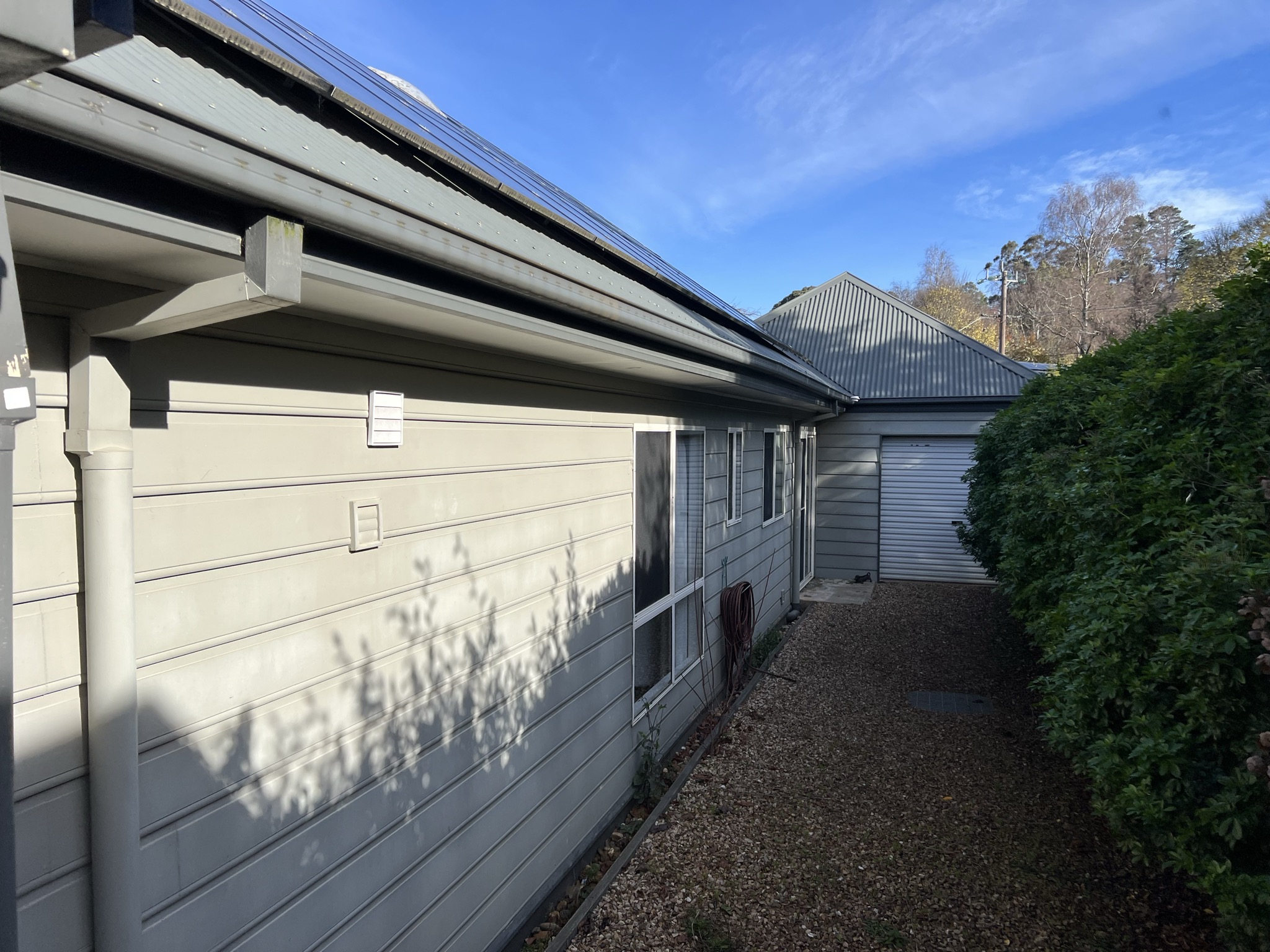
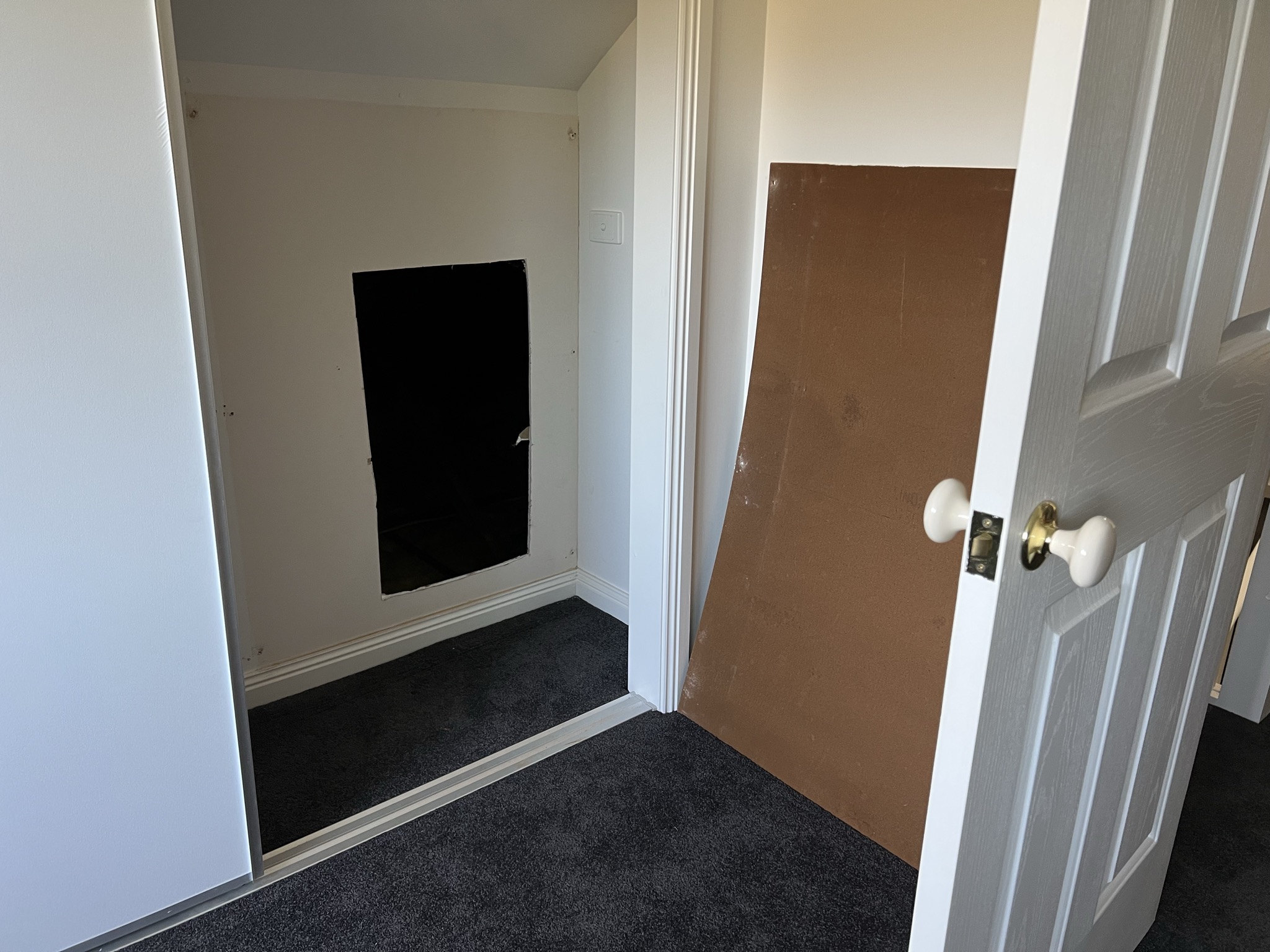
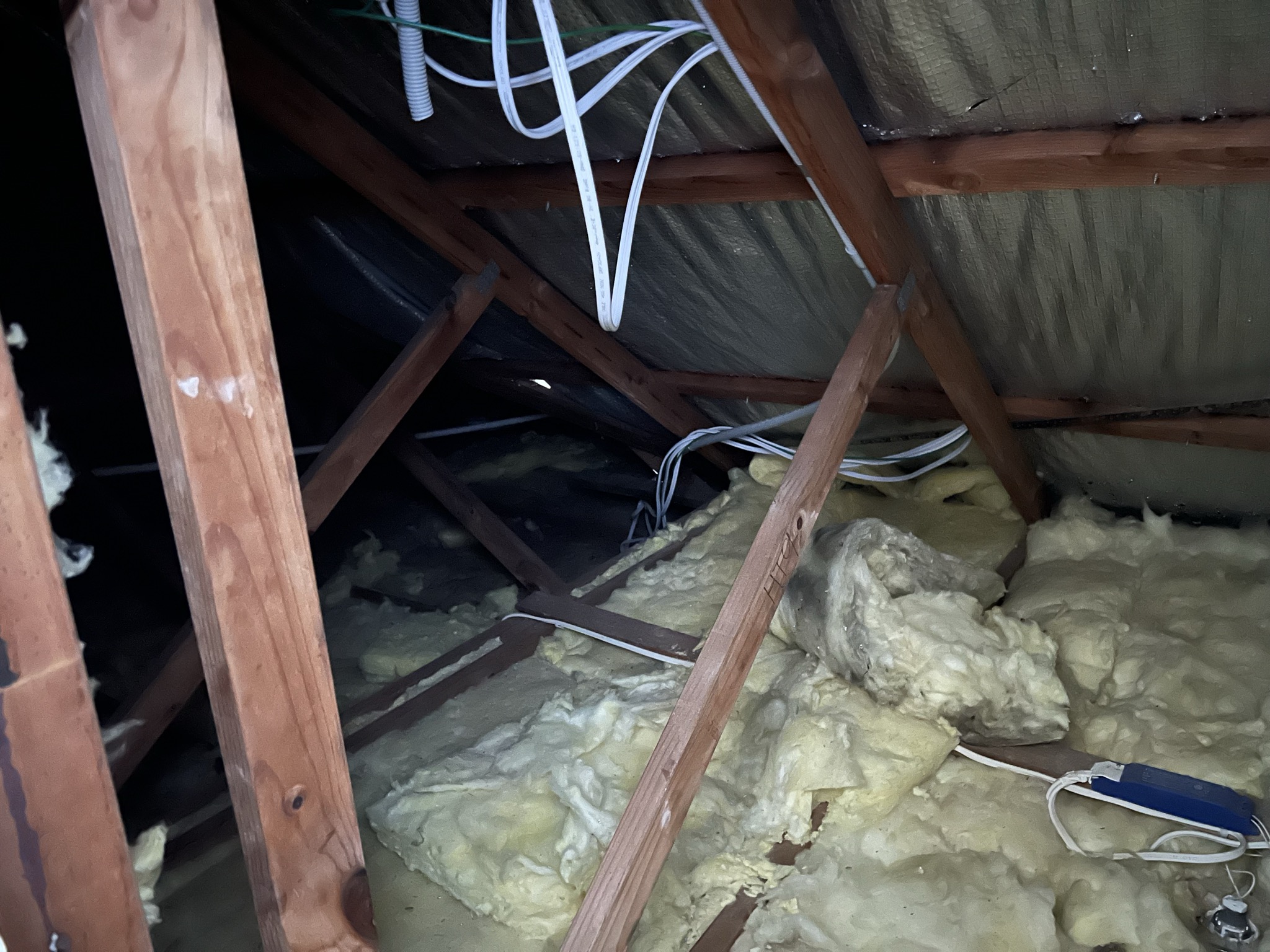
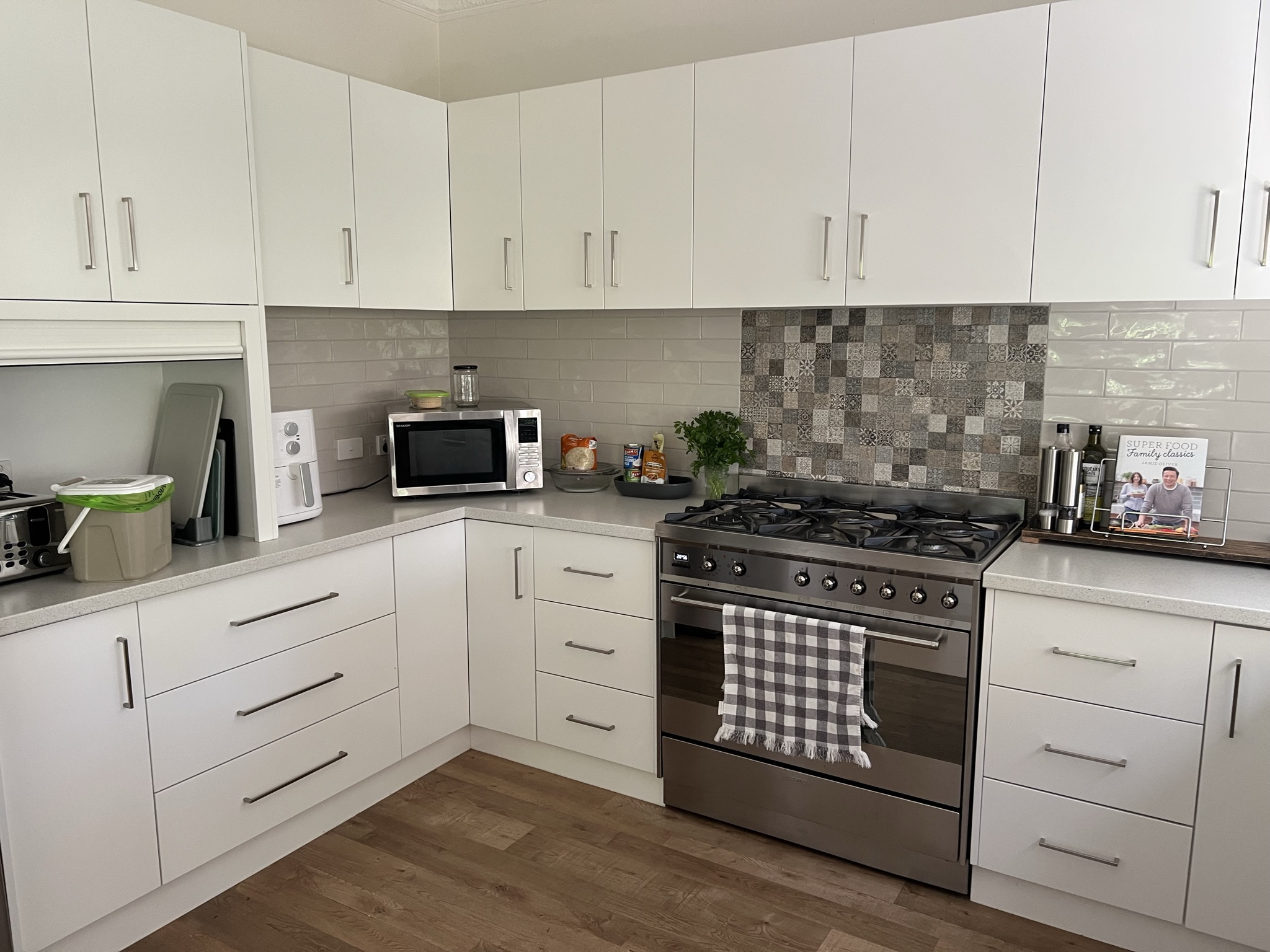
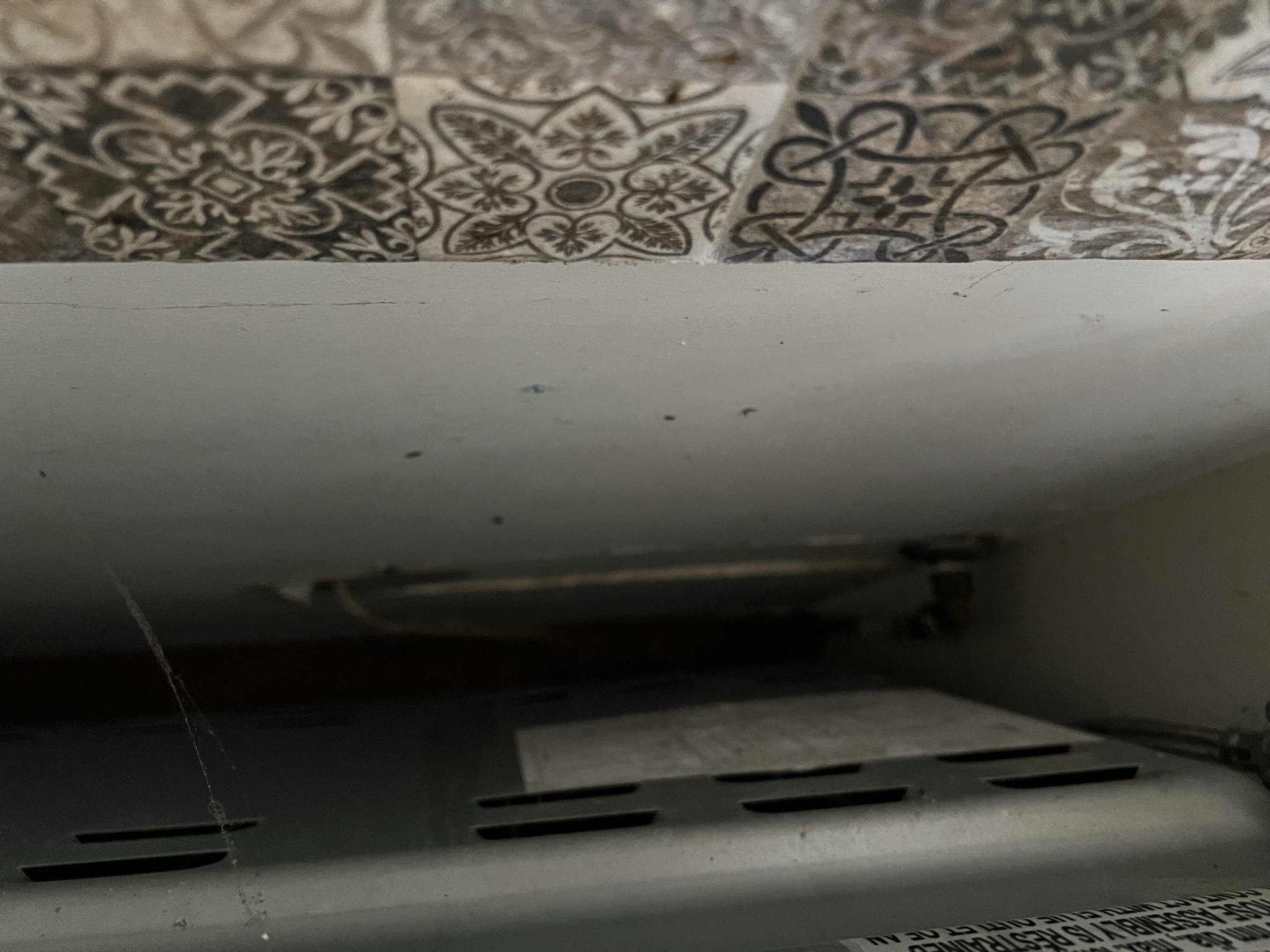
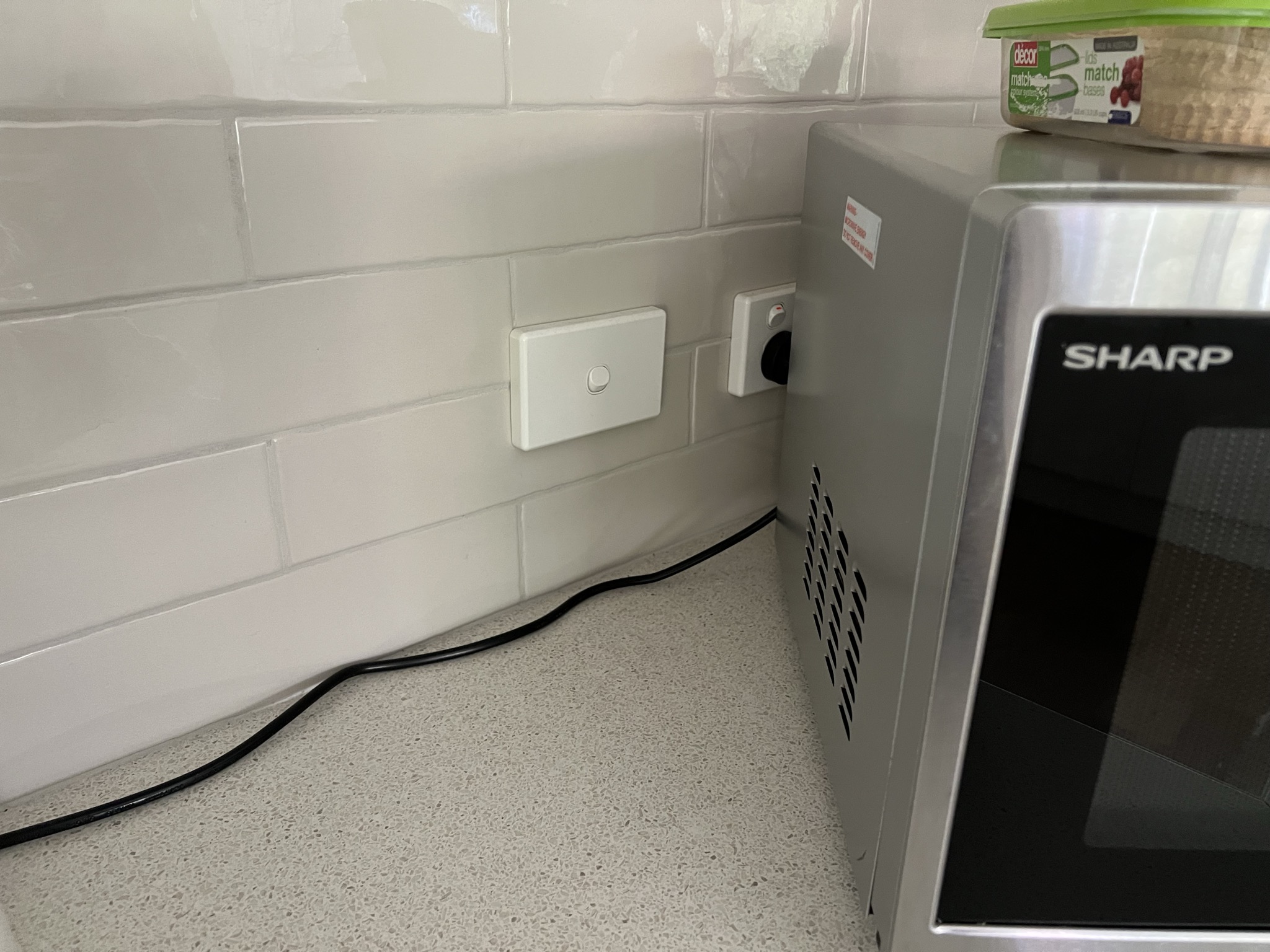
We asked for quotes to install our oven. The cheapest and the dearest were more than $1,000 apart.
The numbers caught me out. In my head (and my ignorance), connecting an oven was an afternoon's work and a few hundred dollars. The first quote came back at $3,014 — most of the price of the oven itself. So, before agreeing to anything, I went looking to better understand why it's such a big job.
Our new 90 cm Westinghouse needs a circuit of its own: 9.6 kW, 40 amps, hardwired, single phase. The old Smeg ran its oven on a 20 amp circuit and its cooktop on gas, so there was nothing here that could carry it.
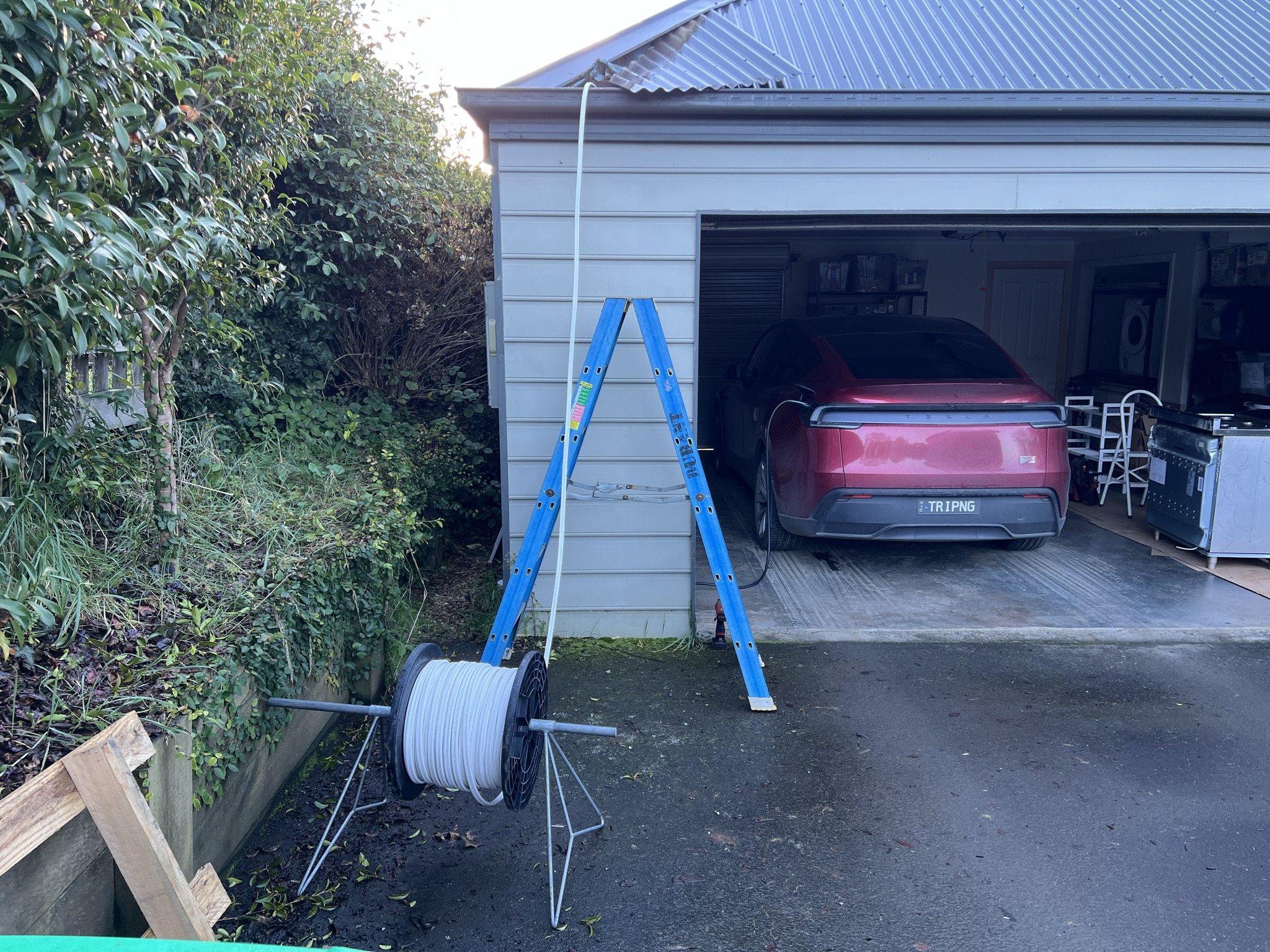
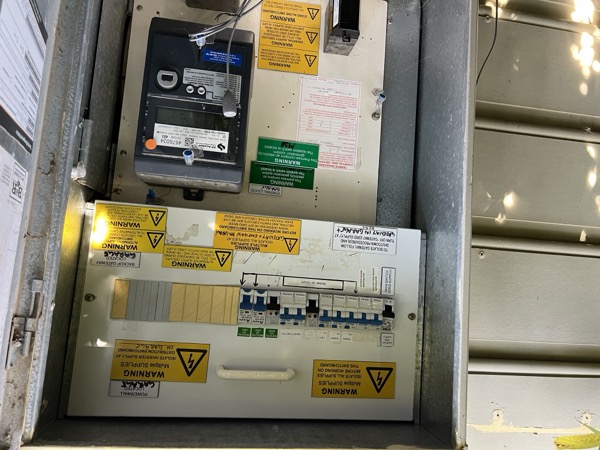
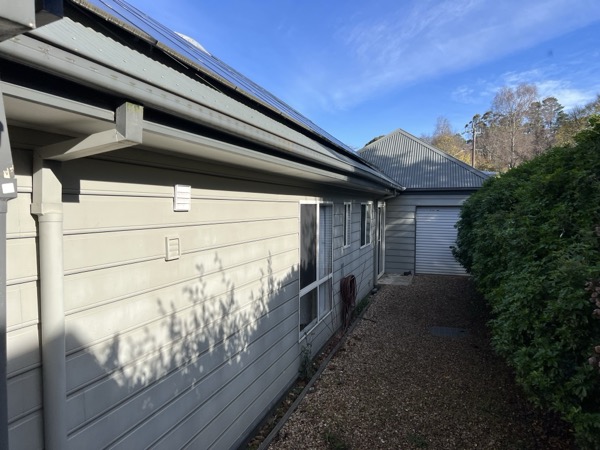
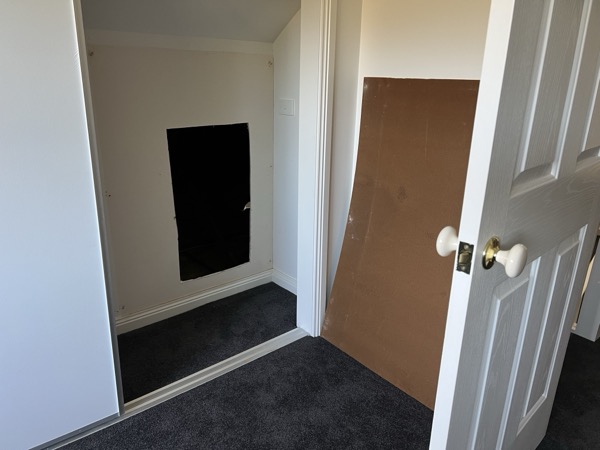
That means new cable the whole way: out of the switchboard on the garage wall, up into the roof cavity, along the length of the house, and down into the kitchen. About 25 metres. Plus fittings, breaker and isolation switch, and the labour to do it all.
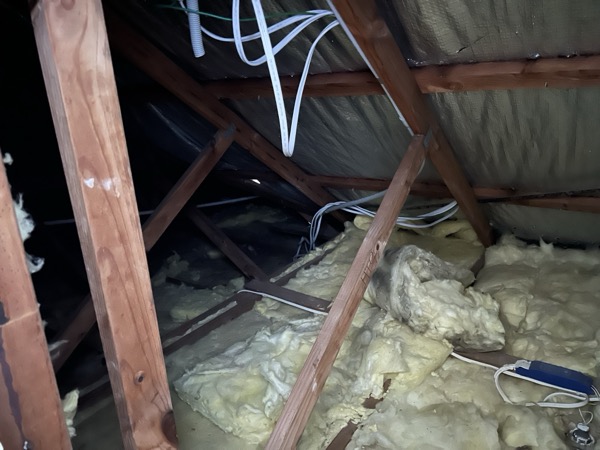
To try to simplify the quoting process, I sent photos (eg the 25 metres from switchboard to kitchen, the roof cavity access) and all the info I could. I asked them to itemise the quote (at least separating parts and labour) so I could understand where the costs are, and to eliminate anything that wasn't needed (such as disposal or tile cutting), or add what wasn't quoted (such as gas disconnection).
Only one company itemised their quote prices. Here's their breakdown, which the other totals broadly agree with:
- 25 m cable run — $440
- Other materials — $275
- 40 A breaker with RCD protection — $275
- Labour — $1,210
- Removing the old cooker and capping the gas — $330
So, about half the bill is labour, and the largest single material is the cable. Not because copper is precious, but because 40 amps over 25 metres through roof insulation needs 10 mm² cable — twice the cross-section of ordinary house wiring, and stiff enough to be a genuine wrestle through a roof cavity.
Rather than cold-calling strangers, we asked the businesses who had already worked on this house. Lexity, who once rescued us from a slug fried across our safety switch. Sapphire Solar, who added our Powerwall 3s. Lightning Energy, who installed our solar, the original Powerwall 2 and the EV charger. O'Brien Electrical, who did our air conditioning and the heat pump. The Good Guys, where we had bought the oven, had already tried to organise a couple of installers but their system fell over and their quote was highest.
One wrote back to say they only do solar and batteries. One responded quickly, then didn't send a quote for a month. Only one could quote from those photos without driving out to look.
Comparing the three usable quotes covered slightly different work. Capping the gas line needs a licensed gasfitter, and not everyone included it. Once I had added back whatever each quote left out, the complete job ran from $2,255 to more than $3,300.
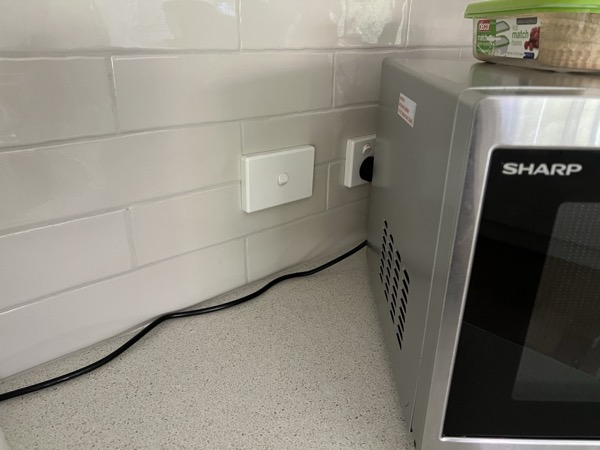
The best price was O'Brien, who had quoted us seven months earlier while they were here installing the air conditioning. I went back and told them what had changed: no tile cutting needed, because an unused power point beside the stove could become the isolation switch, and we had sold the old cooker, so there was nothing to cart away. They came back $311 lower, including an extra "VIP" discount.
Coming up: The actual oven installation.
Related Posts
- The oven this circuit was for — bought in March, arrived in July Oven bought in March, arrived in July 12 Jul 2026
- Lexity, and the slug that fried our safety switch A fried slug took out our power 29 Dec 2025
- Sapphire Solar, and our Powerwall 3s Two new Powerwall batteries, installed by lunchtime 13 Apr 2026
- Lightning Energy, and our solar install Solar-panel install day, with Lightning Energy 20 Dec 2023
- O'Brien, and our multi-head air conditioning Multi-head air conditioning installation, stage 1 4 Feb 2026
- O'Brien, and the heat pump that replaced gas hot water Heat pump installation 3 Dec 2025
- What was already on our switchboard Where does this circuit go? 26 Jul 2026
- Installation day Installing our induction stove 27 Jul 2026
I faced the same dilemma when installing a wall charger for the car, -over 35m cable run, and indeed it’ll be even worse when I finally decide on installing a home battery.
My only real option for a battery is on the North East side of the house which will cop a lot of sun, making serious sun protection absolutely essential.
Report
Report
Report
Report
Report
Report
Report
Report
Report
Report
Report
assumption that thermal insulation in ceilings, walls and under floors, if not
currently installed, will be installed in the future.” It is installed and is only partially surrounded.
Report
Report
Report
Report
Report
Report
Report
Report
Report
Report
The manufacturer will have power ratings for each of the functions. I doubt the fan forced oven element is greater than 2.5kW.
Report
Report
Report
Report
I've done it once, when the option of running a new feed was not cost effective and it was an elderly couple who weren't planning on cooking up a feast.
(Obviously take the time to explain to the customer why and why not).
As long as our cables are protected, appliance manufacturers can go ¥u€k themselves.
Charging 600+ dollars for a 30 dollar PCB board and showing a 20 star efficiency sticker.
Report
Report
Report
Report
Report
Report
Report
Report
Report
Report
You must be an immaculate electrician if you would insist on rewiring two entire switchboards just to install a cooktop. Our main board was full, so a sub-board was installed alongside our home battery and backup circuits. Now both are full. Every electrician who inspected it suggested a complete board upgrade down the track, but only *after* completing the battery and cooktop installations.
You must charge a fortune if that’s how you handle every job. Or just be a very dissatisfied fellow who charged so little and did great work. He makes bank on the home extensions and fact they have employed him for 20 years.
Report
Report
Report
Report
Report
Report
Report
Fredelek ⚡️🤟🏼
Report
Report
Report
Report
Report
Report
Report
Report
Report
Report
Report
Report
Report
Report
Report
Report
Report
Report
Report
Report
9.6kW on calculations alone is 40A
9600/240=40
Cable rating for standard V-90 75 degrees TPS for 6mm is 39A. Close to 40 is not compliant.
Next size up is 10mm
Report
Report
Report
Report
Report
Report
edit: i am wrong.
Report
to a final subcircuit supplying. Copy from the regs
Report
Report
Report
Report
Report
They consider it *protected* and therefore *safe*
For for purpose isn't part of their job description and I rip them a new one every time I come across it.
EG recent training presentations delivered to the solar industry with 50A RCBOs protecting 10kW inverters.
They need min 63A to be reliable. Just the same as 5kW inverters need 32A not 25A.
As it's still *safe* as cable is protected beyond that they don't care
Report
Report
I'm open to being wrong but I've re read it and I'm certain this is not the application for max demand
Report
Not sure what parallel universe you reside in to draw that conclusion.
Report
Report
Ps getting 5 quotes a bit much, pushes the price up
Report
Report
Report
Report
Report
Report
Report
Report
Report
Report
Report
Not sure on the price as overheads vary by area size of business etc. That job should be able to be quoted over the phone (subject to confirmation of site conditions on the day).
There is the old saying that goes something like this “$50 for the job $75 if you want too watch/help”.
Gut feel is tradies are feeling you fall into the later category.
Report
Report
Report
Report
Report
Yes, the Aus/NZ standard gives a guideline on maximum demand for certain appliances, but I still find you have a lot going on in your house for a single phase 63A supply. You might even blow the service fuse coming from the street as it might be 50A from the time your house was first energised.
Do you know the size of your mains? The first cable between the pole/pillar to your switchboard?
Report
Report
Report
Report
Report
Report
Report
Report
Report
Report
Report
Tradesmen, cars, insurances, licences(multiple) , training and apprentices, fully stocked vehicles to handle any changes onsite or unexpected requirements, all the tools and equipment required to do the job, time quoting for free including all the people who never go ahead, sourcing materials, issuing safety/completion certificates that legally bind us to the work and ensuring the safety of it, triple checking the requirements of the equipment to ensure compliance and safety, keeping up with current legislation constantly in relation to AS3000 changes, updates and requirements for different types of equipment being installed, ordering equipment, picking up or paying for delivery, driving to site.. driving back from site.. doing all the paperwork required. Not to mention 4 years of training and then countless years after actually getting competent and fast at the work to make it viable to run a business and be available for such jobs.
You need a reality check or do it yourself... oh, that's right.. you can't because you don't have all of the above!
Prices are not ridiculous Is not much difference .. get a plumber in to do a job.. u will need a second mortgage:
Get the guy in for a 1000 and you won't have him on the phone for problems in 6 months time or the next job nor would I be confident about the work.
Just saying. 😎
Report
Report
No one ever asked for an itemised quote
Also I would never have given them one
Do it yourself next time you will save all the hard working electricians who make bugger all anyway a lot of grief
Report
Report
Report
Report
Other industries do it. Sparkies are no more special than professionals in other fields.
Report
Report
Report
Report
Wanting to understand where the expensive bits are is not an attack on you or your business, it’s just them wanting to understand or maybe do something to reduce it.
A very quick examples:
Rubbish Removal. They may have a trailer and a tip pass.
Painting - they may be decent at painting any repairs and willing to do that (where a job needs paint)
Dismantling - If something needs dismantling before the start (flooring, kitchen etc) they may be willing to do that (and use said trailer)
Etc.
Report
Report
Eg hot water service dies.
If its not adversely affecting the trades ability to do the job, or makes it easier, why not......
🤷♂️
Ultimately the trade has the choice anyway.
Report
Report
Report
Report
Report
Report
Report
Report
Report
A roll of cable $160.
See how your getting ripped off?
To be honest id be getting a gas oven
Report
Report
Report
Report
Report
Report
Report
Report
Report
100m Drum of 10mm² 2core + earth is $765.99
and to get a 25m length cut is still = $233.75
non including shipping or sending the apprentice to pick it up
Report
Report
Report
Report
Report
Report
Report
Report
Also you wouldn’t need a 40A RCBO unless specified by the manufacturer which means smaller cable too.
Report
Report
Report
Report
Report
Report
Report
Report
However, there are cheap companies out there that use inferior products and will take short cuts to make jobs cheaper and as a normal consumer most won’t have any idea on what they’re even looking at so sometimes you are just getting what you pay for.
Report
But yes, like you said, some are cheap because they are trying to get the foot in the door, have no real experience and using you as a guinea pig. others will cut corners. it's a gamble.
Report
Report
Report
Report
Report
Did you specify a 40A circuit? Its overkill. Table c5 in as3000 tells us what to allow for cooking appliances and would have likely let you do a different installation, but if you specified what you wanted then that's what they would have quoted.
I run a small electrical contracting business. Our overheads are now running at $185000 per year. We need to make that back before we turn a single cent of profit. That is before paying the guys wages. Business costs are out of control, largely due to our federal government, and the consumer/end client is the one who bears the brunt of this cost.
Report
In what other industries do they screw so hard on price?
Are they hassling Fishrr and Paylel about the 4000 fridge demanding to know what it actually cost to build?
Or their lawyer or accountant?
Wasting so much time and resources on quoting only not to do the job. Or wanting something they cannot actually afford and expecting a trades business to subsidise their champagne tastes on their beer budget.
Report
Report
Report
Report
Report
Report
Cost to do the job and certify - $______
Cost to not to the job $0
Regards.
Report
You’re looking at a quote for $1,210 in labor for qualified trades to run a heavy circuit and cap off a gas line, and somehow reaching the conclusion that you're getting ripped off.
How much exactly do you think a licensed electrician should be working for per hour? 🤔
When you hire a licensed electrical contractor, you aren't paying for "a guy with a screwdriver for four hours."
You are paying for the massive, non-negotiable overhead of keeping a licensed, insured, and fully compliant trade business on the road.
Here is what actually eats up that money before an electrician sees a single dollar of profit:
💼 Mandatory Business Overhead & Insurances
• Public Liability Insurance — Crucial for high-risk work like pulling 40A circuits and capping gas lines.
• WorkCover / Workers’ Comp — Heavy annual premiums to cover physical trade labor.
• Tool & Equipment Insurance — Thousands of dollars of specialized tools sitting in the back of the van.
• Income Protection & Sickness Cover — Trades don't get paid if they injure themselves on the job.
🚐 Vehicle & Transport Costs
• Commercial Van Overheads — Lease/loan payments, commercial insurance, high trade registration fees, and fuel.
• Wear & Tear — Servicing, tyres, and depreciation from hauling heavy cable drums, ladders, and gear all week.
👷♂️ Employee Entitlements & Compliance
• Base Pay vs. True Cost — An electrician earning a fair wage costs a business nearly double that rate once you add Superannuation, annual leave, sick leave, public holiday pay, and long-service leave.
• Two Trades Required — Capping a gas line requires a licensed gasfitter. If the electrician isn't dual-qualified, that means paying two separate tradespeople or bringing in a subbie. That alone eats $200–$300 of the bill.
📋 Admin, Taxes & Safety
• Unpaid Admin — Quoting, driving to sites, itemizing bills, and answering emails are all unpaid hours that must be built into job rates.
• Certificates of Electrical Safety (COES) — Mandatory compliance reporting, safety testing, and state filing fees.
• Taxes & Licensing — Annual contractor licensing fees, business tax, and ongoing safety training.
⚡ The Reality of the Job
Running 25 metres of stiff, unforgiving 10mm² cable through a dark, freezing cold Melbourne roof cavity in July isn't "an afternoon's easy work."
It is brutal, high-risk physical labor.
If the cable is sized wrong, the breaker fails, or the gas cap leaks, your house burns down or fills with gas.
A complete job like this—running a brand-new 40A dedicated circuit across 25m, fitting an RCD and isolation switch, PLUS gas disconnection—regularly sits between $1,800 and $2,500+ in today's market.
Getting it down to ~$1,900–$2,200 with gas work included from a fully insured company is a completely fair price.
Stop whining about trade prices.
You bought a high-powered 9.6 kW appliance that required a total energy upgrade to your home.
Pay the professionals who have the licensing, insurance, and expertise to install it safely!
Report
Report
Report
Report
Report
That's 10.35kW for 9 mins.
You simply do not have enough arms to stirr stuff that fast for that long.
Report
If the appliance says 40a supply, then give em 40a.
Pretty simple really.
Report
Just saying ....
Haven't seen a domestic cooktop trip a 32A breaker.
Report
Report
Report
Report
Report
Report
Report
Report
Report
https://www.redbubble.com/i/t-shirt/In-The-Roof-I-Charge-…
Report
Report
Wow.
Why do Victorians hate Natural gas so much ?
Report
Report
Report
Report
Report
Report
Report
Report
Report
Slower to cook
Longer to clean
Induction kicks ass.
It's only money
Report
Report
Report
Report
Report
Report
Report
32A breaker will therefore run at 57.6A for best part of 9 mins.
That's 13.25kW.
I can assure you - there is absolutely no way you can use that much power for that long.
It takes a couple of minutes to boil 8L of water and a rolling boil with pasta is less than 1000W.
A steak takes ~6mins
Chicken takes 6-8mins
Neither will be anything less than a charred mess if you have the cooktop on full power for more than a minute.
32A 6mm2 is fine for most.
I have 40A 3P to my cooktop and with that much power
40A x 3phase x 1.8load for 500 seconds x 242V (typical at my location) =52kW.
That's enough to launch a satellite into space and totally un-necessary.
A 16A 3P or 32A single phase would have been just fine.
AS3000 table C5 does indeed account for this and how cooktops and ovens work - specifically they are not constant load appliances and derated circuits are just fine.
As for manufacturers denying warranties - just like a car manufacturer they must prove that the fault has indeed been caused by a smaller conductor to deny warranty.
ACL is good like that.
Is it a good idea?
Well ....
Tesla tripping was quoted $440 for 25m of cable that costs $8.50 / m incl GST.
A markup of 100%.
I bang on about appropriate CBs and cables for EVSEs but cooktops .... meh it's tough to need more than 32A single phase as 32x 230 x 1.8 = 13.2kW for 9 minutes and you simply don't have enough arms to stirr the food in the pots fast enough to ever need that much energy. IE thats > 2kWh to cook a meal when most meals take 500-700Wh of energy.
Bark up another tree on this one.
Report
Clause 2.5.3 must satisfy ib>in>iz
It does say ib can be maximum demand
But if you go to Appendix C for maximum demand,
"For circuits supplying a single item of equipment, the circuit current is
simply the nominal load current of the equipment, e.g. a 10 000 W
230/400 V three-phase heater has a full per-phase load current of 14.5 A"
So you need to wire that oven to a 40a breaker.
C5 is used for calculations of diversified circuits. Not a single appliance.
So what you're saying is that it might not trip if they aren't cooking up a storm but it's not compliant electrical works and you're okay with non compliant works.
Report
Report