-
 HQ
 HQ
 HQ
Did going all-electric cause our mould?
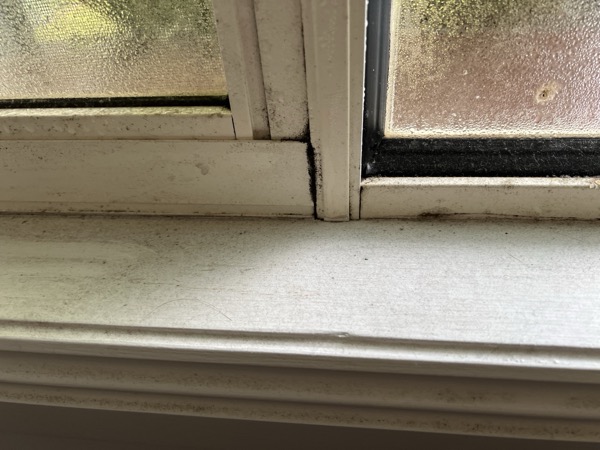
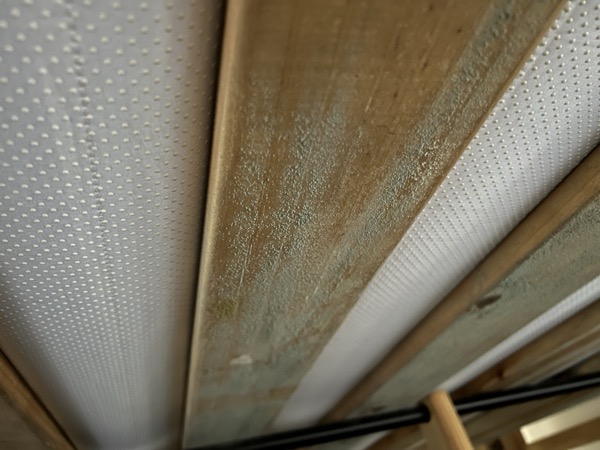
We spent 2025 and 2026 getting off gas — heat pump hot water, a multi-head air conditioner replacing the ducted gas heater, and finally an induction cooker. Then we found mould on the bed slats. Was it due to electrification? We first found this same mould, on these same slats, in December 2024 — fourteen months before the air conditioners went in, while the gas ducted heater was still doing all the heating. Whatever causes it was here first, and it was here while the gas was. Gas cooking turns out to actually make it worse. Burning gas makes water: roughly 1.6 kilograms of water vapour for every cubic metre burnt. That is on top of the water coming out of the food or boiling water, which happens whatever you cook on. Going induction removed the extra moisture. Not to mention the benzene, which is a known carcinogen. What did change is the ventilation. The old ducted system leaked, and those leaks quietly brought in outside air. Reverse-cycle doesn't leak. Better heating, staler air.…
-
 HQ
 HQ
 HQ
Our heating doesn't breathe
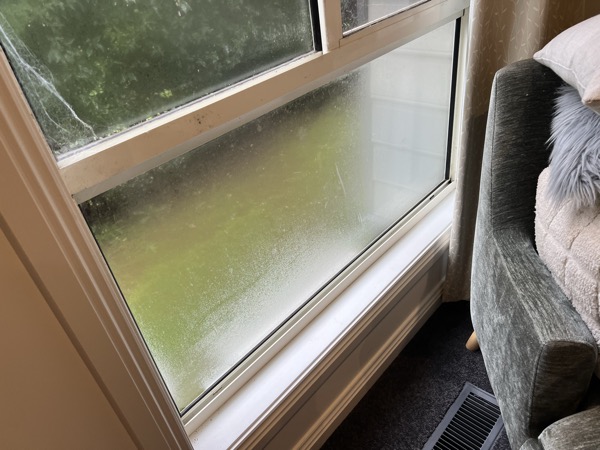
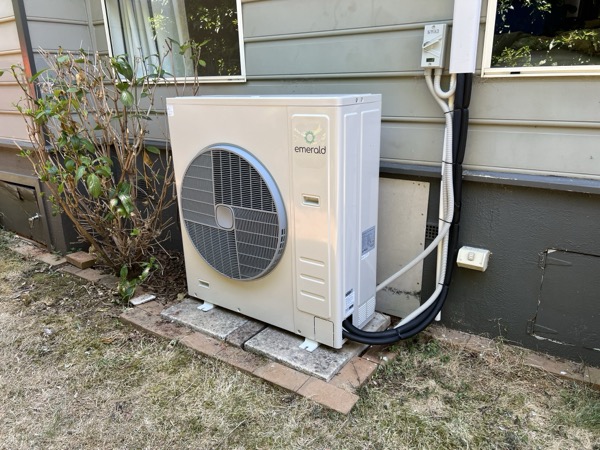
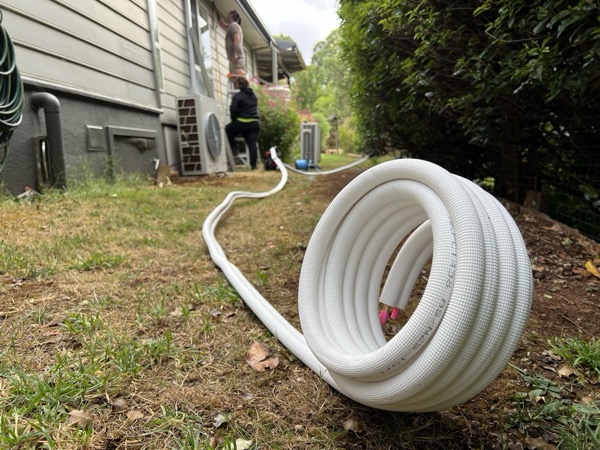
Last post we found the mould. This one is about where the water was coming from. I assumed the ensuite — showers, obviously. That is a real part of it, though not quite as I pictured. The door stays shut and the fan runs while we shower. It's afterwards that the moisture gets out: the fan goes off, the door opens, and the wet walls, floor and towels carry on evaporating into the house for hours. But it wasn't the whole story, and working out the rest meant unlearning how I thought our heating worked. Here's the misconception, and I held it for years. You switch on the air conditioner. The big fan in the unit outside starts spinning. Air blows out of the head on the wall inside. Obvious conclusion: that fan is pushing outside air into the house, warming it on the way in. Wrong. No new air comes in at all. The outdoor unit and all that white insulated pipework only move refrigerant gas, and the gas never enters the room. It just makes a hot surface inside, and the head blows the room's…
-
 FB
 FB
 HQ
Why ducted air conditioning is inefficient
Ducted air conditioning (or heating) is inefficient. Let me explain, and see what you think. I am not a fan (pun intended) of ducted. It seems to be very inefficient. But only one in five air con sales reps seem to agree with my reasoning. At our previous home, in Saratoga NSW, we had a large (10kW) ducted air con system upstairs, which included all the bedrooms. When we just wanted to cool or heat one room, we tried to close the door of that room. But the door would slam shut and whistle, as the air would try to escape. The ducted air con had one or two outlets in each room’s roof. It had one shared return vent in the hall. Turning on the air con in a single room, the air needed to return to the hall to circulate. Closing the door blocked that path and made the pump work extra hard. The thermostat was also in the hall, as part of the control unit. We could set the target temperature of a room to say 22°C, but the room might cool down to 18° before the hall thermostat would register…
-
 HQ
 HQ
 HQ
Make way for more air con compressors
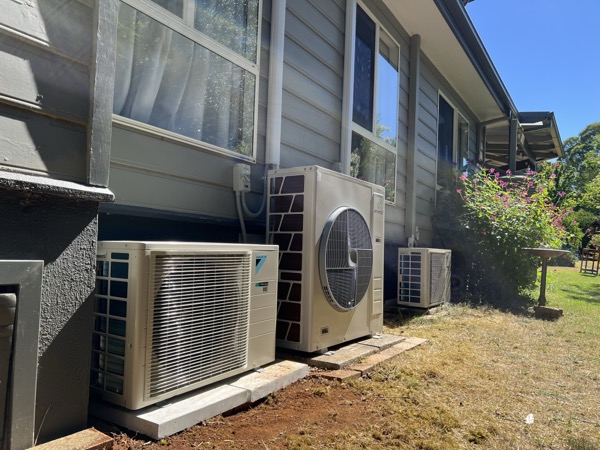
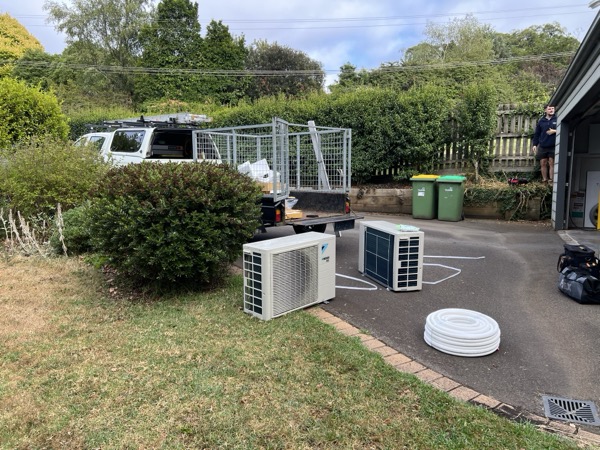
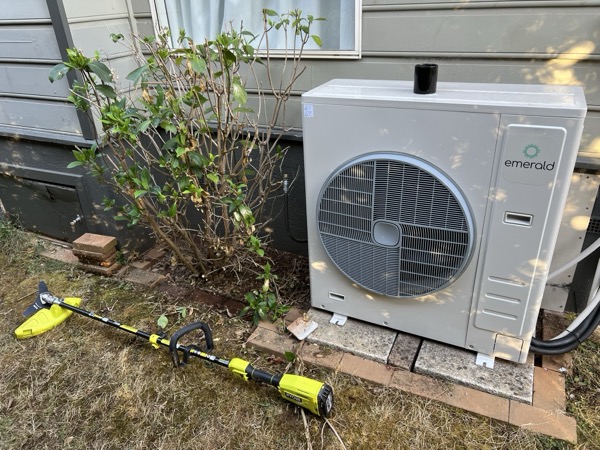
Two weeks after the downstairs install, the upstairs heads finally go in — but the one shared compressor became three.
-
 HQ
 HQ
 HQ
Goodbye gas — disconnecting the ducted heating
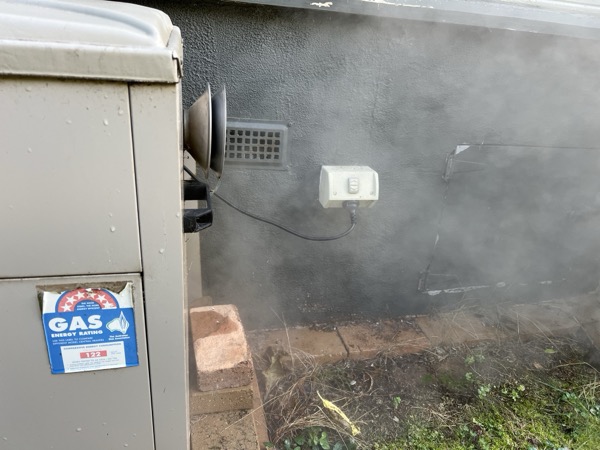
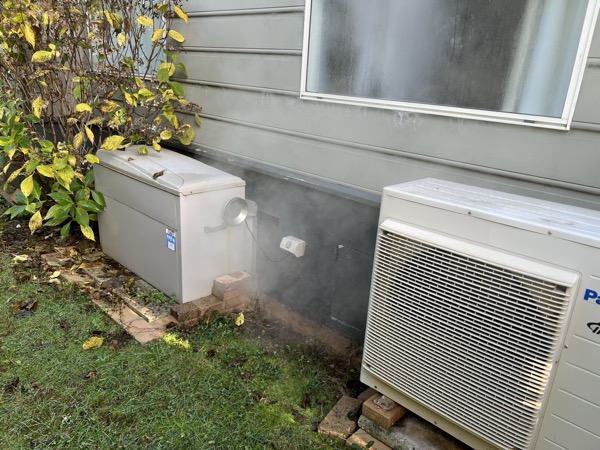
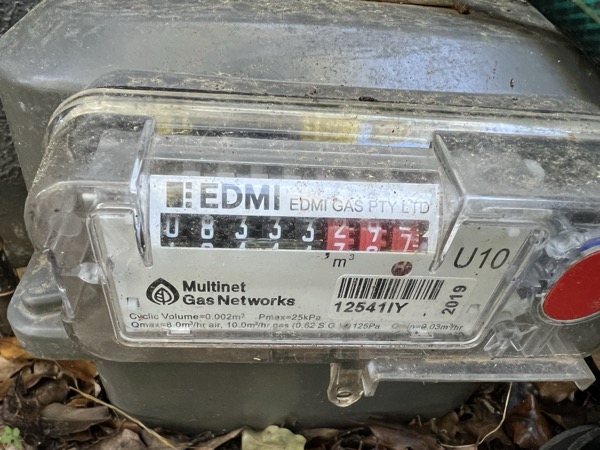
Goodbye gas! I finally organised disconnecting the ducted gas heating at our home. If only we could see the burnt gas pouring into the air, all the time, and not just when the condensation highlights it (as in the photos). Pumping carcinogens and greenhouse gases into the air that we breathe. It’s nuts. It was costing us up to $528 per month to run the heating in winter. Our replacement air conditioning will be closer to free, thanks to our solar and battery. We recently also replaced our gas hot water with a heat pump. Our one remaining gas appliance is our stove top. Once that’s gone, we will save $35 per month just for the connection fee. And no more gas! We’re replacing the gas heating with some split air conditioners. For those who might say “what about in a blackout”? Note the power point connection on the old gas heating. Our old gas hot water heat pump had one too. They both needed electricity to run. In fact, in addition the gas consumed, the heating used about 1kW of…
-
 HQ
 HQ
 HQ
Multi-head air conditioning installation, stage 1
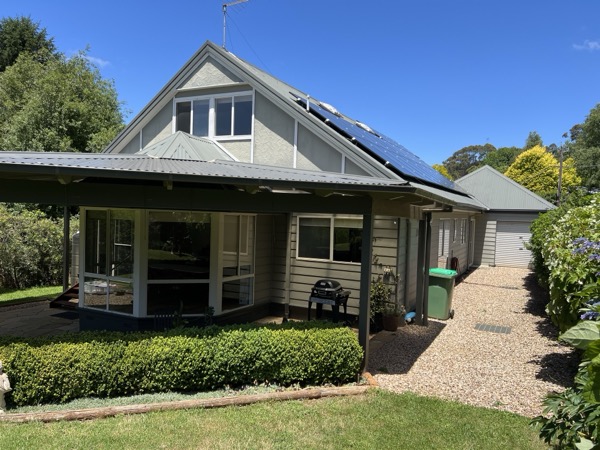
The original plan was to install a multi head system, with five heads (one in each of five rooms), and one shared compressor, outside. Due to a change of plans (see “Problems” below), we end up with three heads on our multi-head system, covering our downstairs living area (lounge, dining, kitchen), master bedroom, and guest room. Configuration: Shared compressor: 18kW (though much lower in actual use) Head 1: Master bedroom: 2.8kW Head 2: Guest room: 2.8kW Head 3: Living area: 8.4kW Cost: The original quote was for a five head system, including two more 2.8kW heads and a slightly larger 20kW compressor. $14,776 Emerald 20kW with 5 x heads -$7,140 VEECS discount -$386 EOY Sale $7,250 Total inc GST Inclusions: Removal of Gas ducted system 1 (no duct removal) Double storey We paid about 20% deposit up front, and the rest on completion. As you can see above, the VEECS rebate/discount paid for about half of the system. As part of the project, we replaced the existing gas ducted heating. We…
-
 HQ
 HQ
 HQ
Solar, battery and electrification — series intro
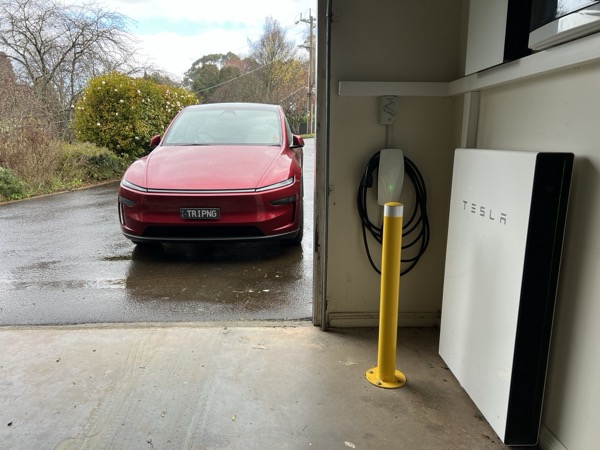
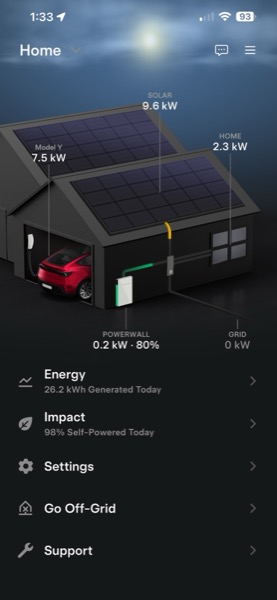
A few neighbours and friends have asked us lately for advice about solar panels, house battery, EVs etc. Here’s our real life experience, starting a series of posts on different topics. We installed solar and battery when we moved into our house (Emerald, Victoria) about two years ago. We already had an EV (electric car). This week, we finally got around to replacing our gas hot water with an electric heat pump. Next month we’re replacing our gas ducted heating with a multi head split air conditioning system. Overall, our solar and battery provide more electricity than we use. We’re also connected to the electricity grid so we can import when we need more, or export when we have a surplus. We aim to produce all the power that we need. On the rare times that we import electricity from the grid, our retailer bills us. More often, we export our surplus electricity to the grid, for which they give us a credit. Overall, we have more credit than debits, so we don’t have to pay anything. All…
-
 HQ
 HQ
 HQ
Preheating the house from John's Hill Lookout
After a beautiful morning drive in the Dandenong Ranges, with our last stop at John’s Hill Reserve Lookout, we decided to head for home, about 20 minutes away. It was 6°C outside but warm and toasty in the Tesla. Our house was going to be cold 🥶. If only there was a way to heat it up remotely, before we got home, like we can with the Tesla 🤔. Fortunately, there is! We bought a Sensibo remote control. It communicates with the air conditioner via infrared, and communicates with our phones via the Internet. It even works with our ten year old Panasonic air con. So, we can be in bed, or many kilometres away and say “Siri, turn on the air conditioner”, to have a warm lounge room waiting for us. We can also control the temperature, fan speed, schedule and so on. We could even set it up to turn on the air conditioner automatically when we’re within 20km from home, via geofencing. Nice 😊 We opted for the “Air Pro” version, which also monitors air quality. I’ve noticed that it sometimes shows…

Formerly: Tesla Tripping
Come along on our EV road trips around Australia and Europe, and follow as we progressively electrify our home in Emerald, Victoria.
Join us on the road. We set off in late 2022 and drove eastern Australia in our Tesla Model 3 — Sydney, Dubbo, Armidale, Brisbane, Cape Tribulation, then down through Queensland and back. We've since upgraded to a Model Y.
We've kept exploring — Uluru, the Snowy Mountains and Gippsland, and a longer run through Europe in 2024. There's plenty more on the map, so come along for the next leg.
At home in Emerald, in Victoria's Dandenong Ranges, we're progressively electrifying everything: rooftop solar, a home battery, a hot water heat pump, air conditioned heating and cooling, and EV charging straight from the sun. We're going fully electric, off the gas.
Got questions, or insights of your own? We'd love to hear them — please drop a comment on any post.