
From Perth, on petrol and electrons
Show 0 more photos Show 6 more photos Hide additional photos

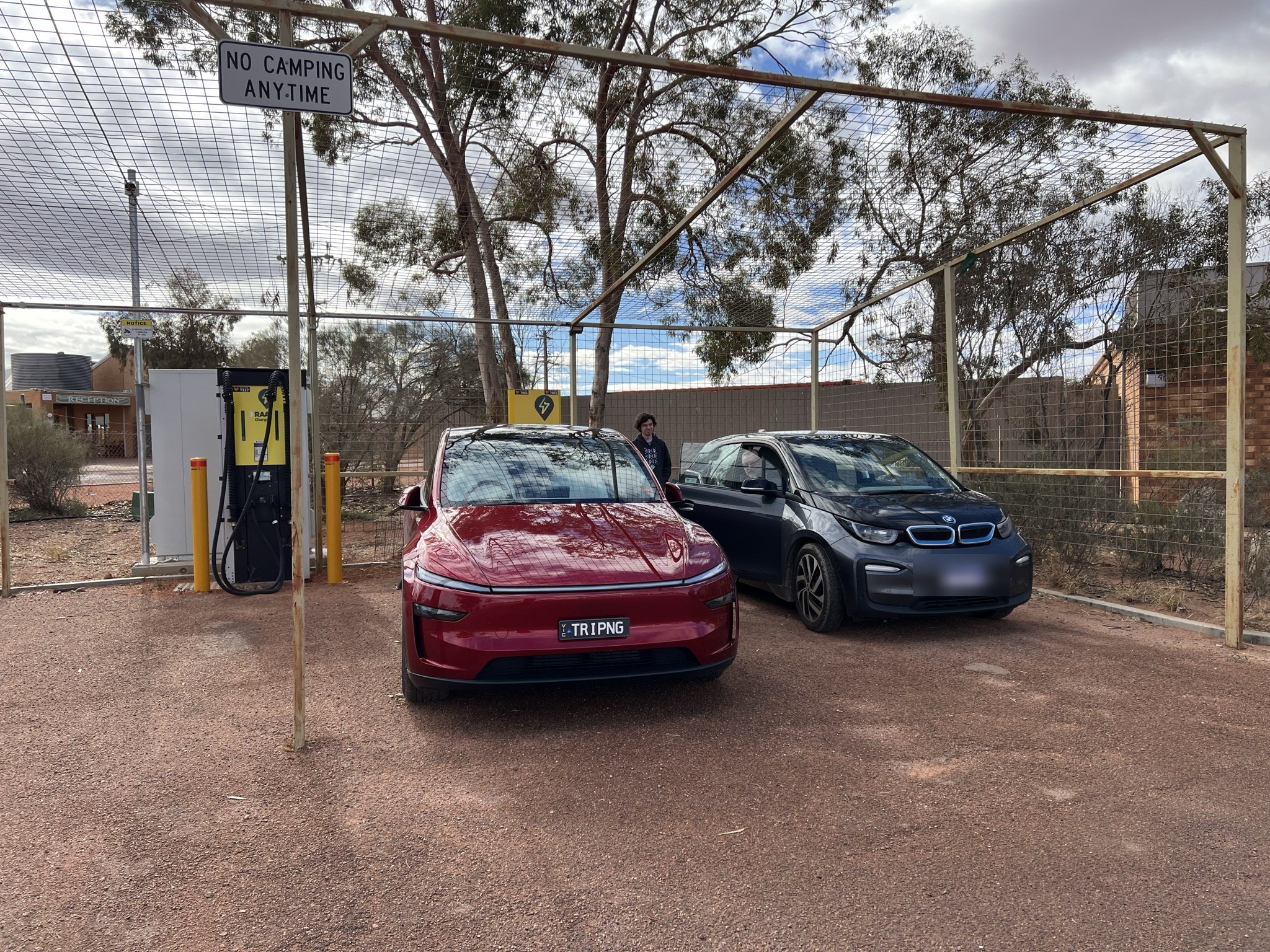

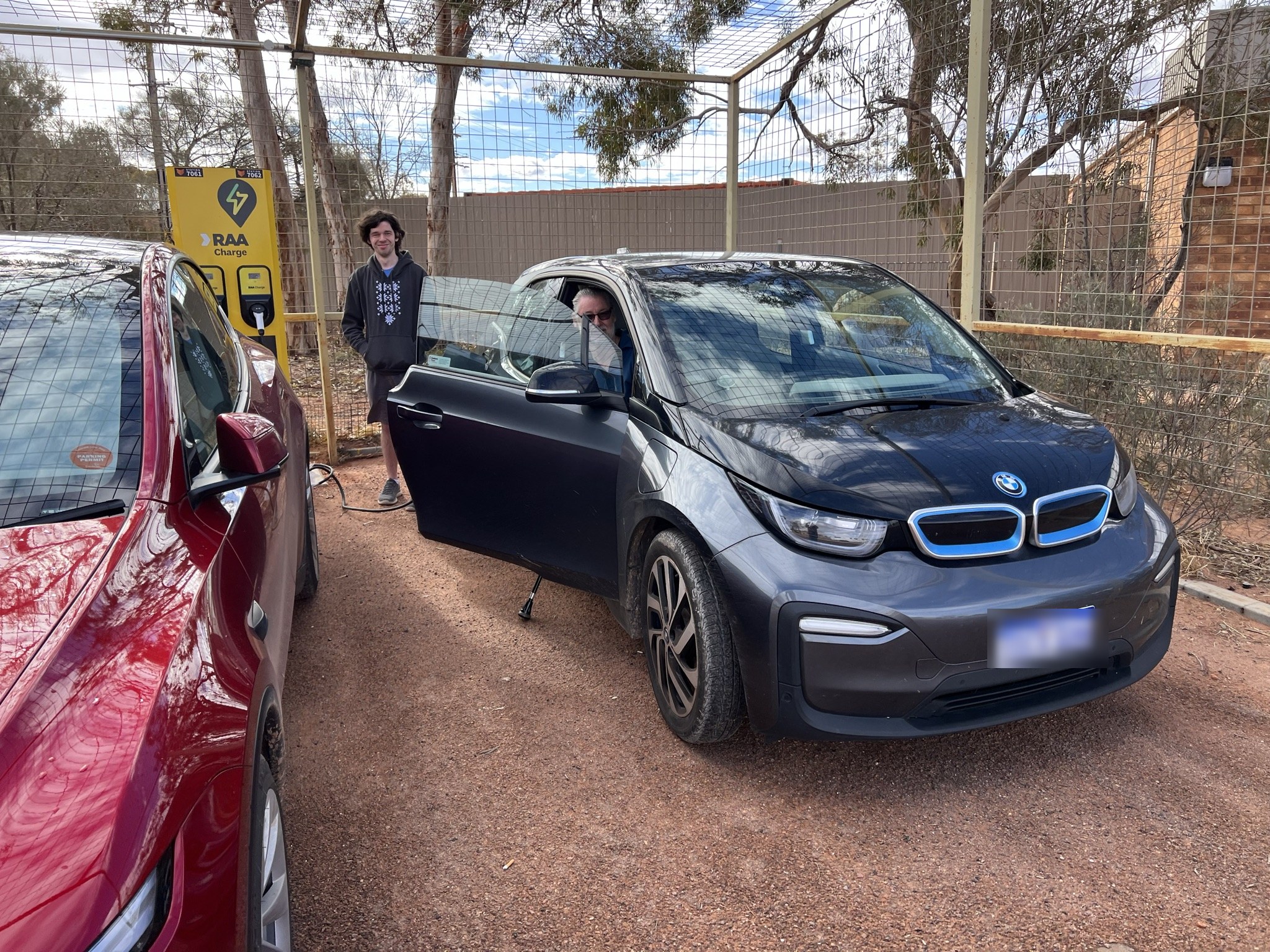
They had driven all the way from Perth.
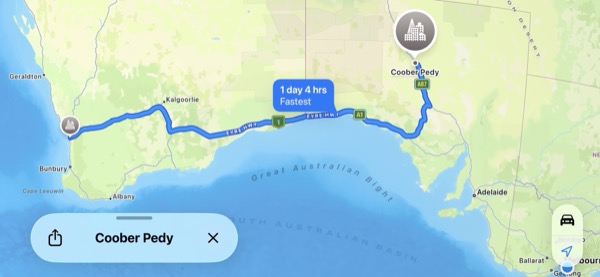
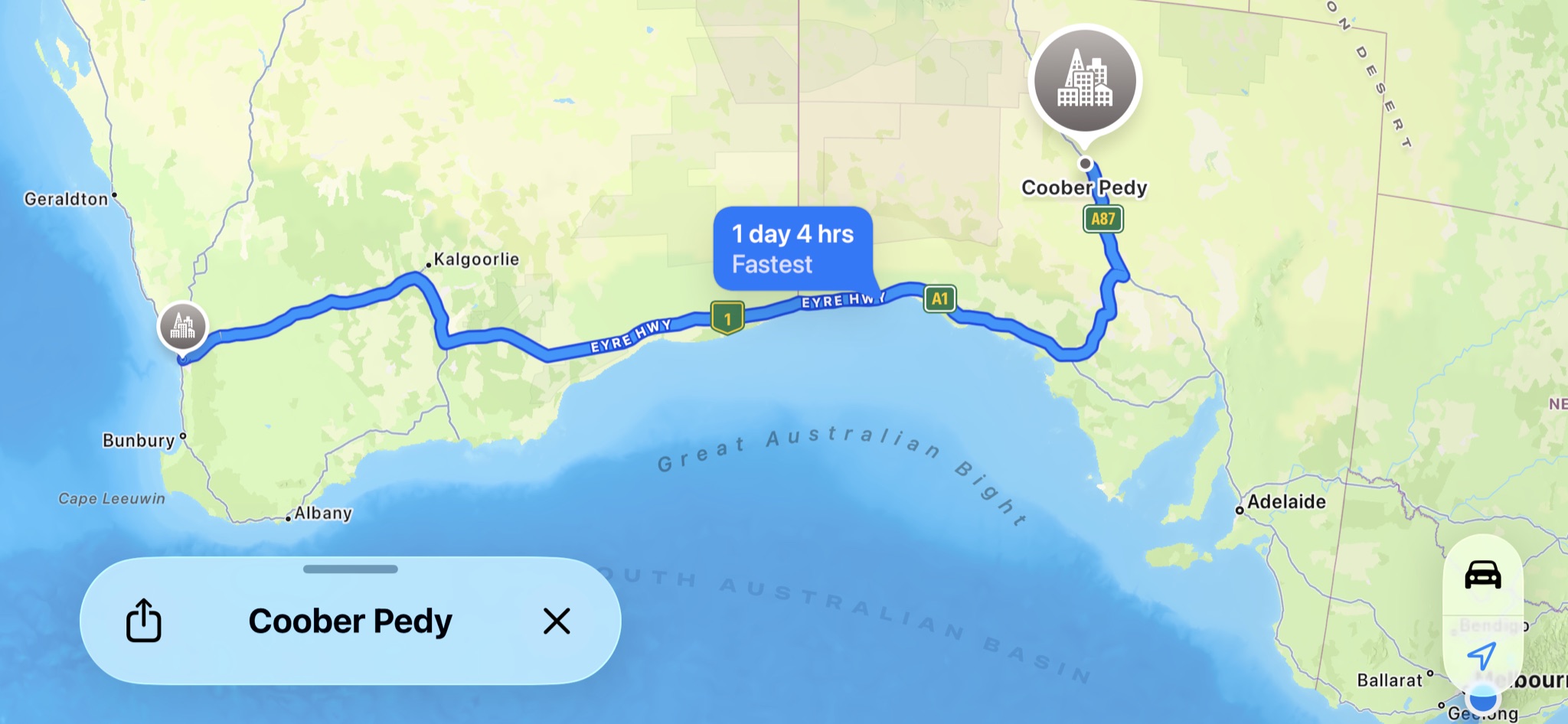
Two blokes in a BMW i3 on Western Australian plates, pulled in beside us at the fast charger in Coober Pedy. Apple Maps reckons the quickest run from Perth is 28 hours of driving, and that is 28 hours of actual steering, before you add sleeping, eating, fuel or charging.
Theirs is the plug-in hybrid version, so it fills up two ways: from electricity, and from petrol. A plug-in hybrid gets marketed as the best of both worlds, and it sounds logical enough. Two ways to fill up, so you are never caught out. On a trip like this one it works out differently, because you do not get to pick. You end up filling from both, most of the time.
Half of both worlds might be closer. You get well under half the electric range of a fully electric car, and a nine litre tank where a petrol car carries fifty or sixty. So on a long run you take whatever is in front of you, whenever it is in front of you. They told me they would often stop for petrol, and then stop again to charge.
The drivetrain itself is all electric, the same as ours. The wheels are only ever turned by an electric motor drawing from a battery. The difference is that theirs also carries a small petrol engine running as a generator, making electricity when the battery gets low. It never drives the wheels.
Most people never drive this far, of course. For most, the 130 km of battery would cover the week and the petrol side would hardly ever wake up. So why carry it at all? You could have over 400 km of electric range instead, and never visit a petrol station again. No engine to service, no oil to change.
To be fair, the i3 is an odd car to judge the rest by. It is old, it was built for the city, and the generator was an option rather than the point of it. But being an option is what makes it worth a look, because BMW sold the same car both ways, and the pair of them measure what carrying an engine costs. Same battery: the version with the generator weighs about 120 kg more and does 203 km on a charge instead of 246. Seventeen per cent of the electric range, gone on hauling an engine that is not driving the car.
A newer plug-in hybrid makes the same trade from the other end. A BYD Sealion 6, on sale here since 2024, claims 92 km of electric range and carries a 60 litre tank, so it will cross the country on petrol where the i3 never could, and it does that with less battery than the i3, not more. Neither car gives you a full tank and a full battery. They just pick which half to short you on.
It cuts the other way too. Run the battery flat and a plug-in hybrid is a petrol car carrying a dead battery, heavier than the plain petrol version and thirstier for it. And the electric half only counts if you plug it in. The ICCT had already measured that: private plug-in hybrids ran 37% of their distance on electricity, against the 69% assumed when they were approved for sale.
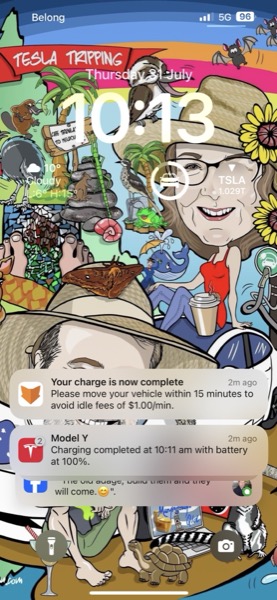
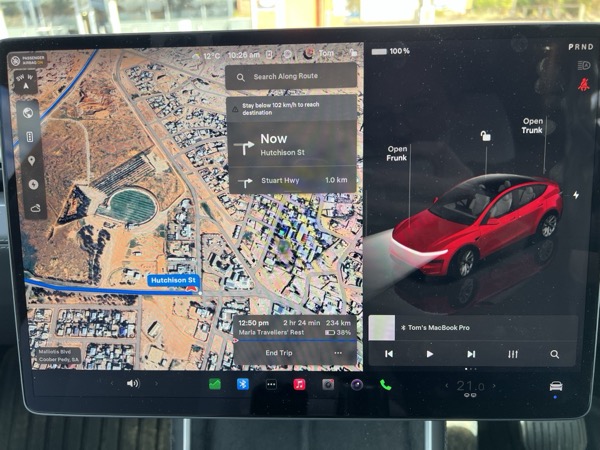
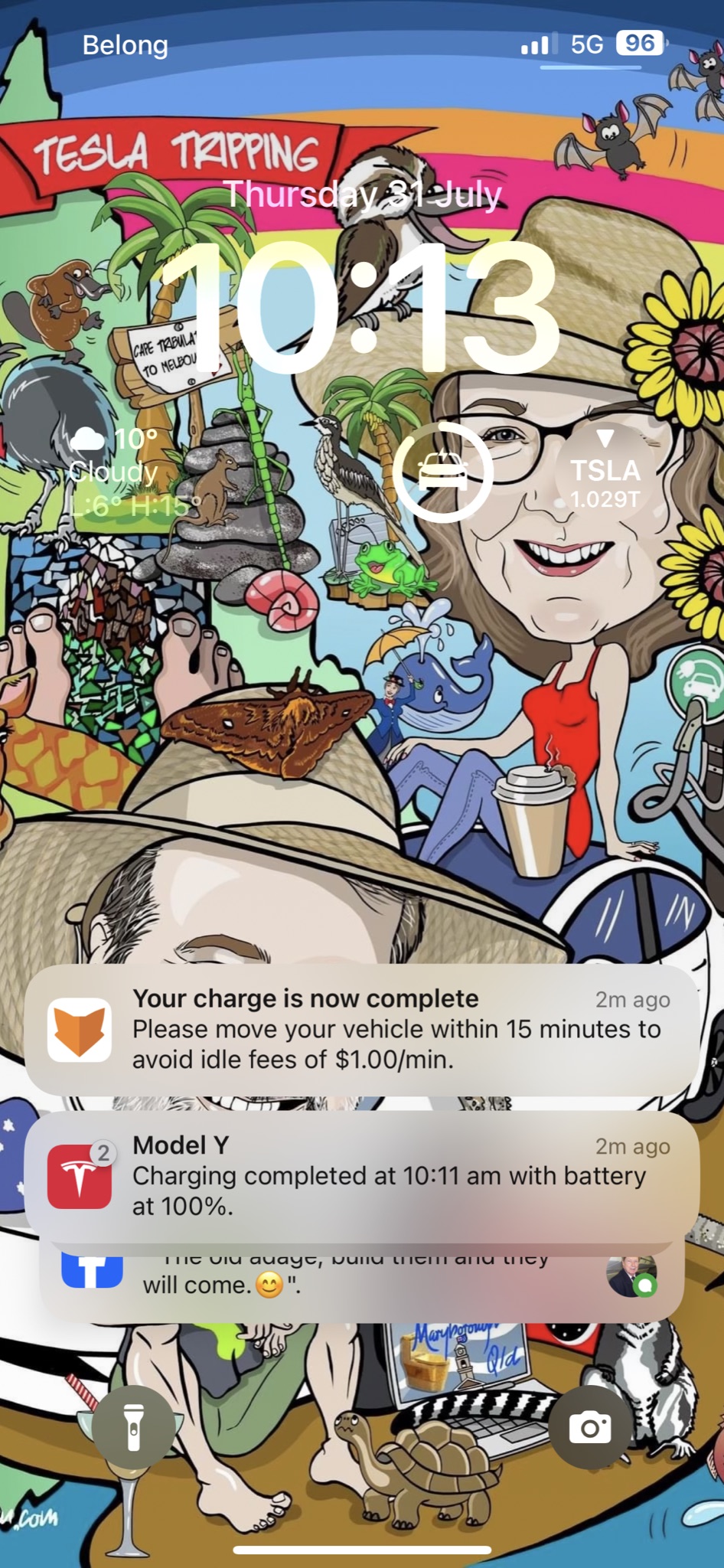
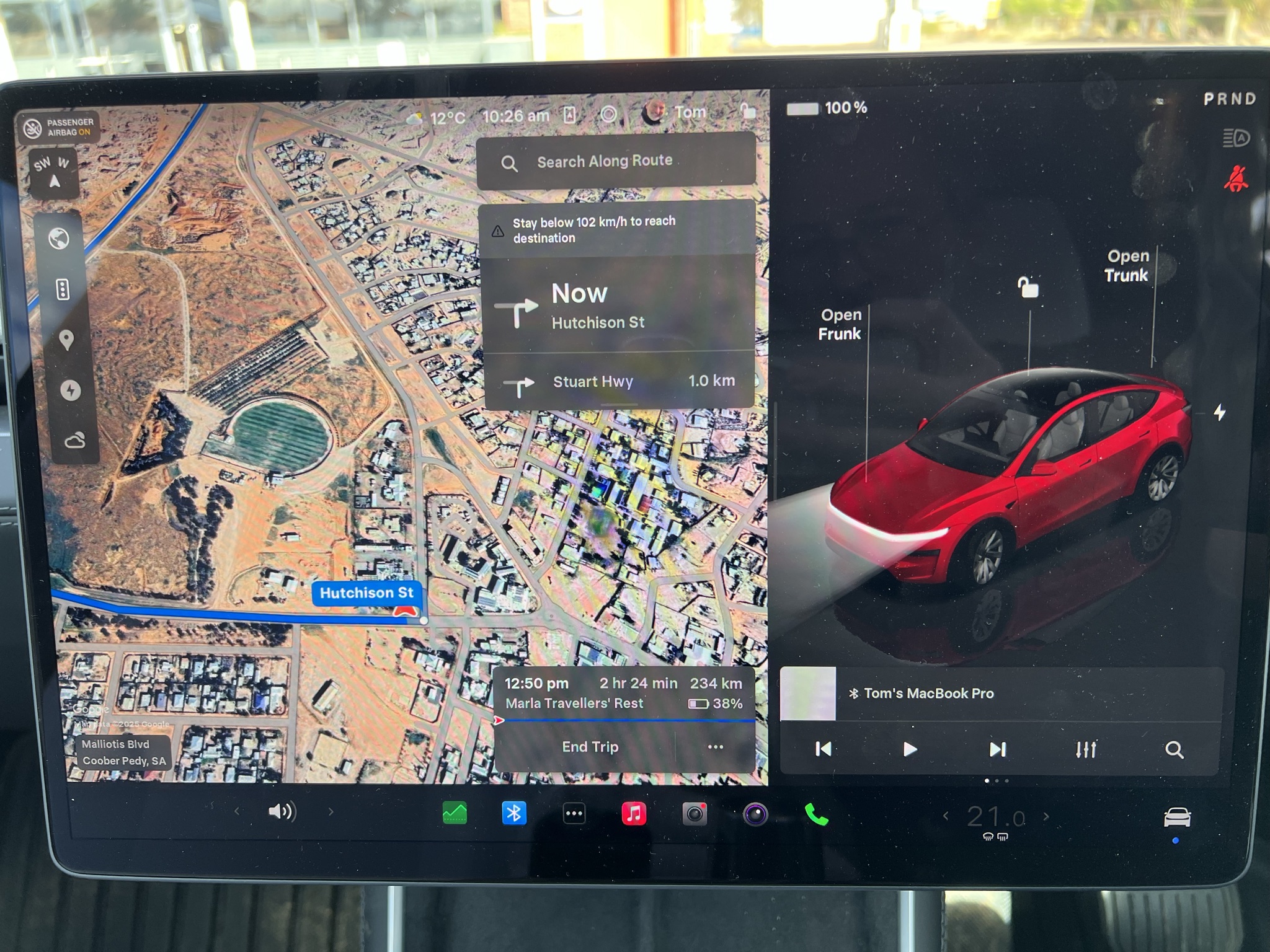
Our own stop was simpler. Ahead of us was 234 km north to Marla, so we filled up while having brunch at the Outback Bar and Grill across the road. The phone pinged at 10:11 to say it was done.
Charging
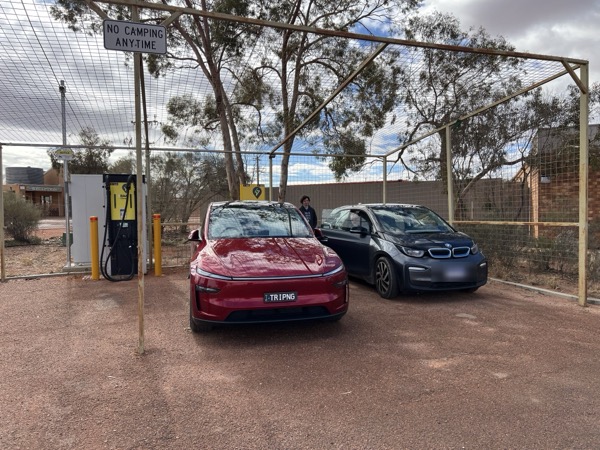
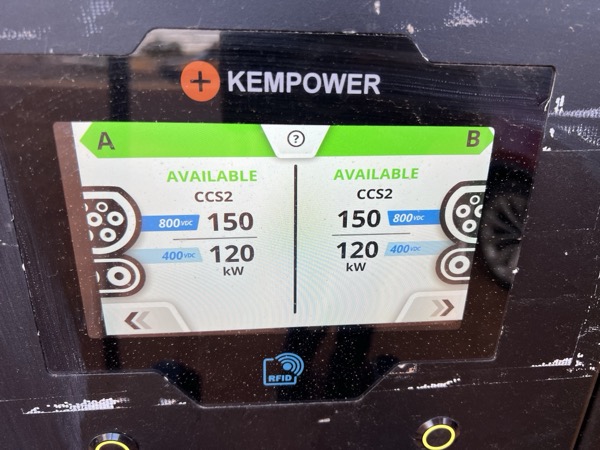
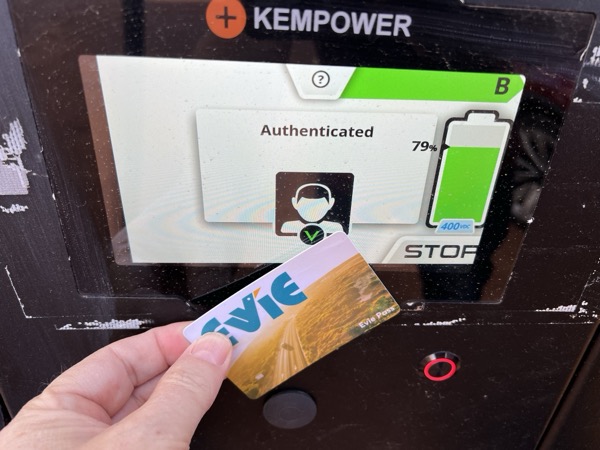
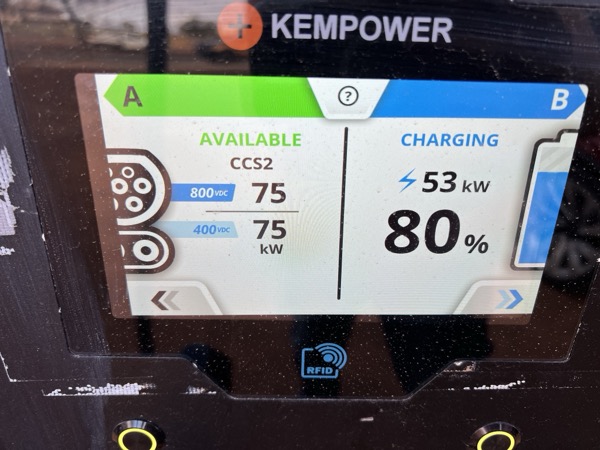
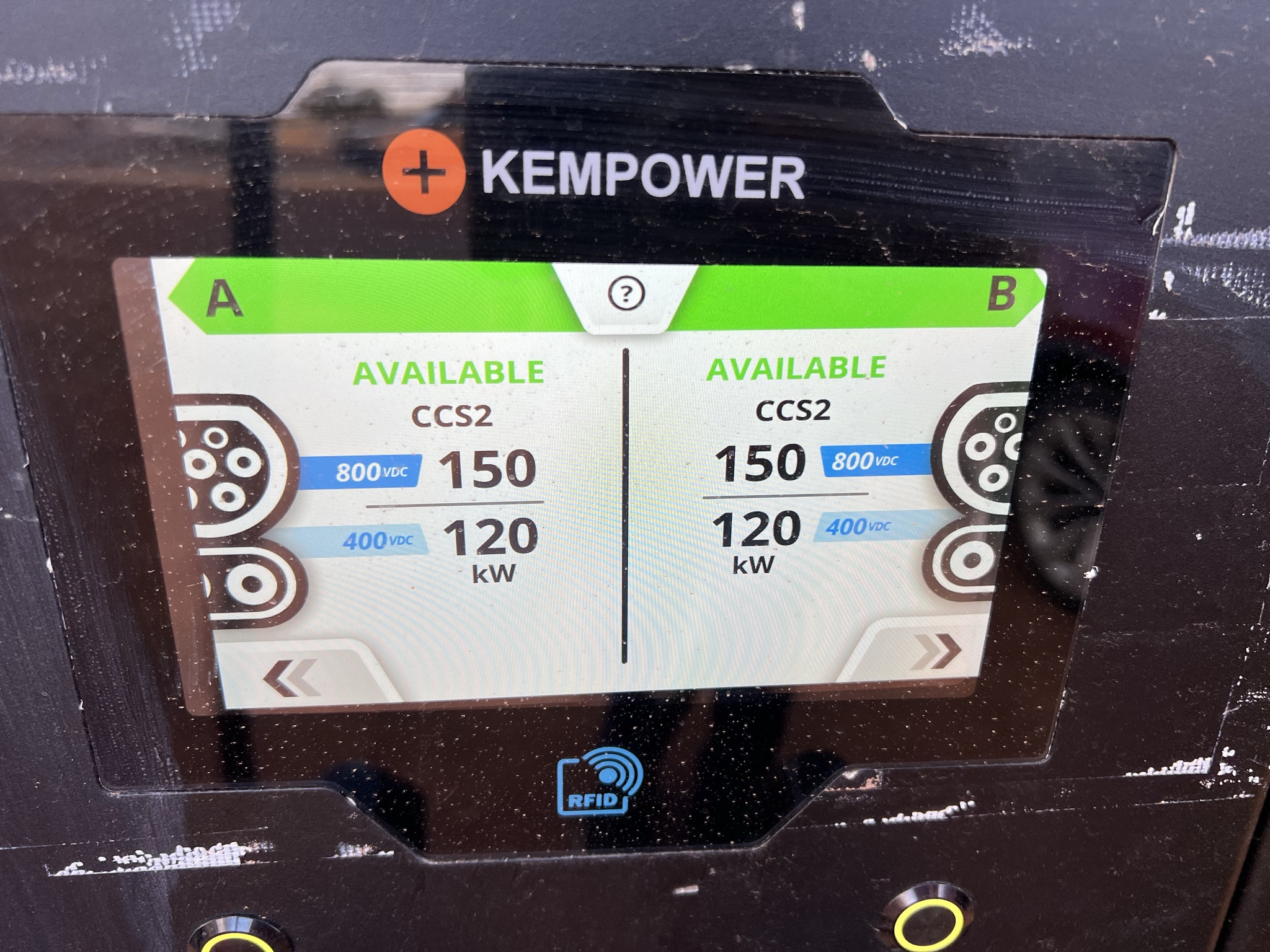
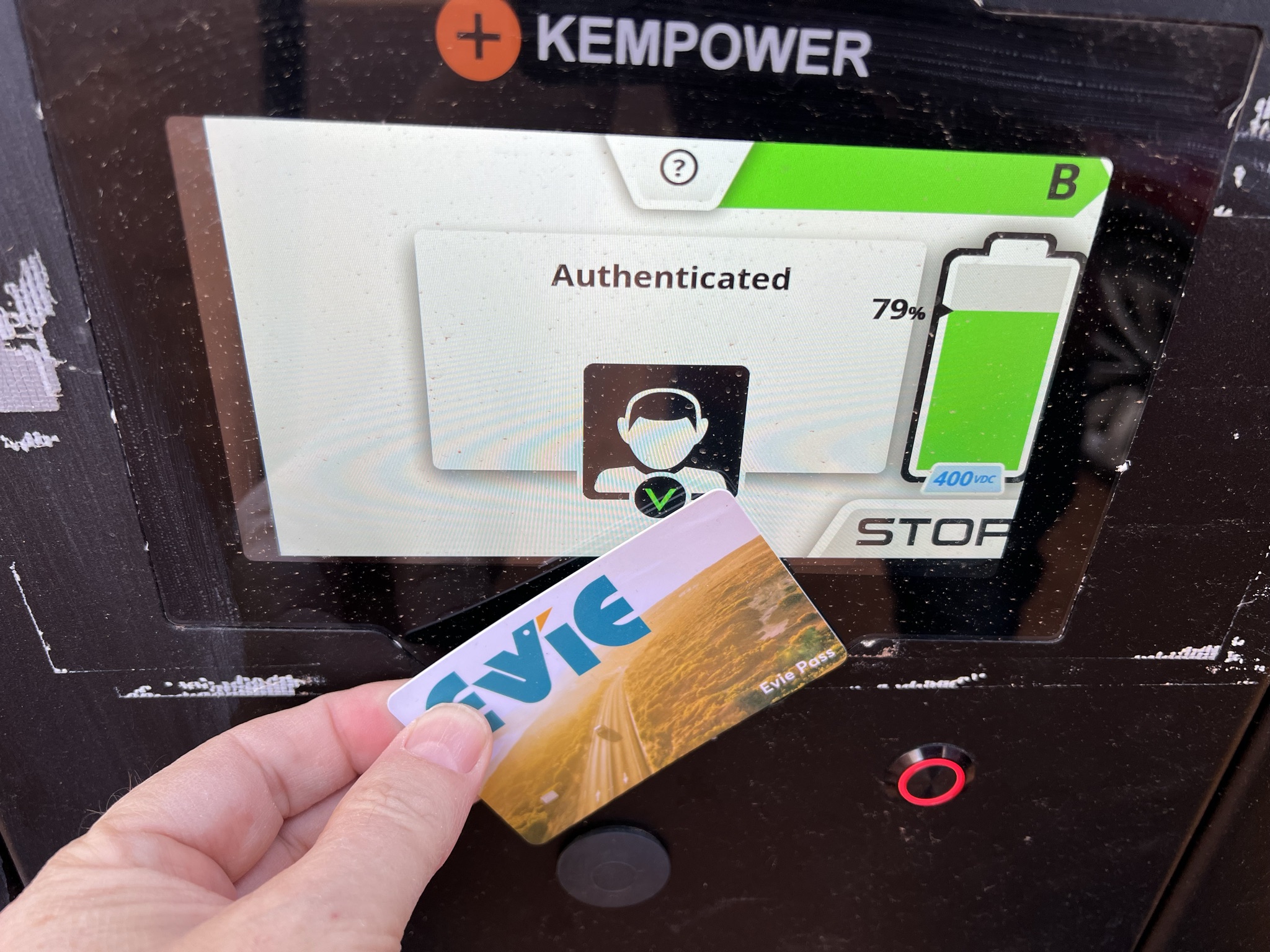
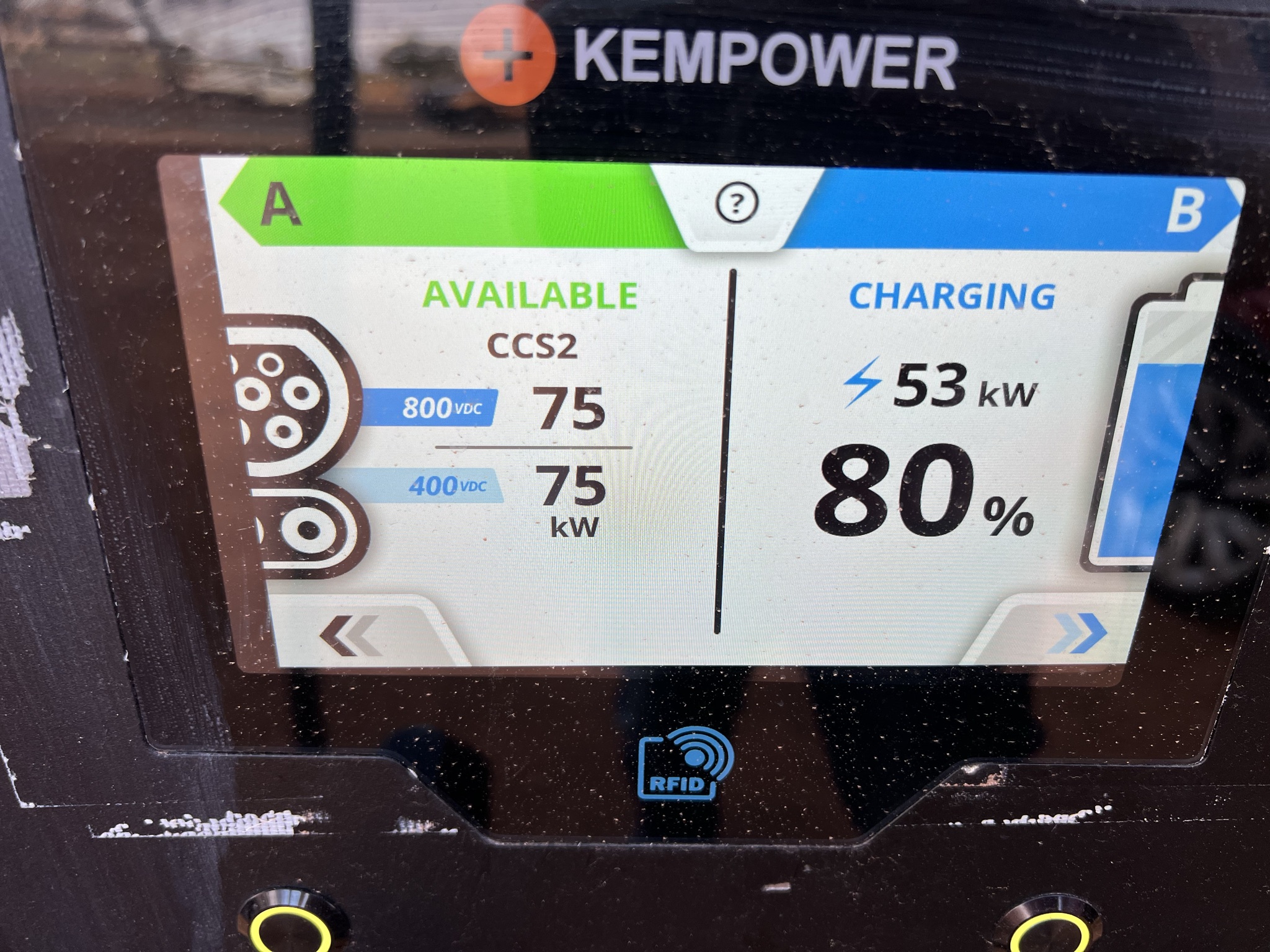
RAA's fast charger in Coober Pedy: two CCS2 outlets on a 150 kW unit, started with an RFID card, and running at about 75c per kWh. We went in at 80% and came out at 100% in about 37 minutes, opening at 53 kW. With one outlet in use the other showed 75 kW available, so two cars charging at once each get half.
The i3's own figures, for what it is worth: on paper the electric range ran from about 115 km on the earliest cars to about 200 km on the last of them, and highway speeds pull that down again. It charges at 50 kW at most, which is the car's limit rather than the charger's, so ten to eighty per cent takes about 38 minutes wherever you plug in.
Put that against the Eyre Highway, where the gaps between chargers are now mostly under 200 km. Our Model Y can treat those as ordinary stops. The i3 is choosing at every one of them: charge for 38 minutes, or let the generator take over and find a bowser as well.
Related Posts
- The night before, and the chargers we did not use: Destination charger in Coober Pedy 31 Jul 2025
- Two nights earlier, sleeping in the car: Car camping in Coober Pedy at 3°C 30 Jul 2025
- Next stop north, almost at Uluru: Almost there… to Uluru 31 Jul 2025
- The whole trip, end to end: Tesla to Uluru: an 8000 km recap 11 Aug 2025
Leave a comment